
7 tips for evergreen shrubs for your garden
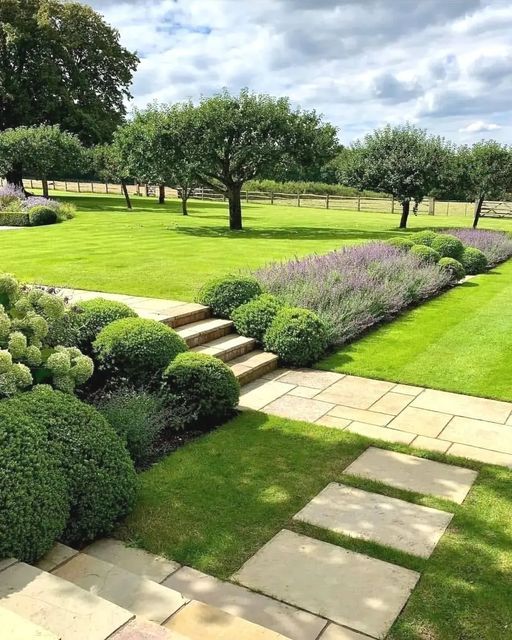
Who wouldn’t want evergreen shrubs in their garden all year round? Their main advantage is that they are full of colour even in December and are a real feast for the eyes. They can also divide a garden visually or give it an interesting shape.
The right choice comes first
Some gardeners own a large garden but still don’t know where to put which plant or shrub. Before you visit a garden centre, we recommend thinking carefully about where everything will go. That way the shrub won’t get in your way later or cause harm somewhere by accident. Remember that evergreen shrubs can spread uncontrollably or cause problems for allergy sufferers. The most treacherous are those with berries, which can be dangerous for your children or pets.
Our 7 tips for evergreen shrubs
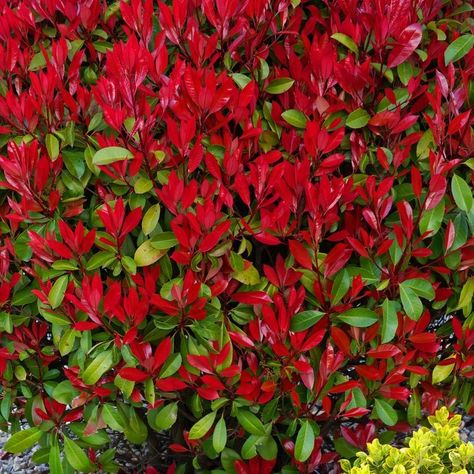
Photinia ‘Red Robin’
Its big advantage is its very attractive foliage. It also tolerates pruning well, so you can put its branches in a nice vase. It grows up to 4 metres tall and 2 metres wide, so give it a suitably spacious spot. Its leaves are a deep wine red at first and then turn dark green. It likes partial shade and does not tolerate acidic soil. You will also appreciate that it is not bothered by frost. Trimming it from time to time won’t do it any harm.
Japanese holly
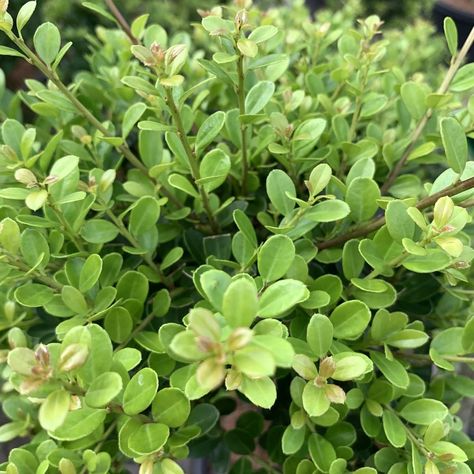
Japanese holly is very undemanding. It has small leaves that are dark green in the lower part. At the top they are golden yellow, so believe us, it will look wonderful in your garden. As for fruit, it has small black berries, but they are not poisonous. Be sure to plant it in partial shade. A clear advantage is that it copes well with summer drought, so you don’t need to water it much in the summer months.
Japanese pieris
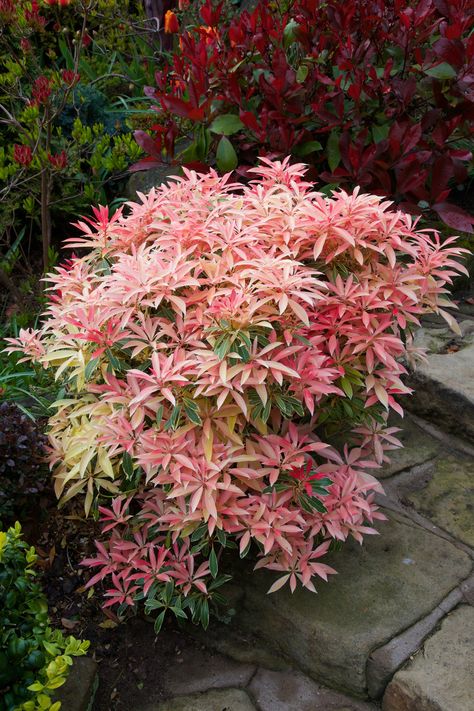
Pieris is another evergreen shrub, growing up to 0.7 m. Its leaves are long and lance-shaped, deep green with a white edge. It flowers beautifully in deep pink, so anyone who has seen the Barbie film should definitely get this shrub. It also likes partial shade and even acidic soil. Pruning is not necessary, just remove the spent flower clusters after flowering.
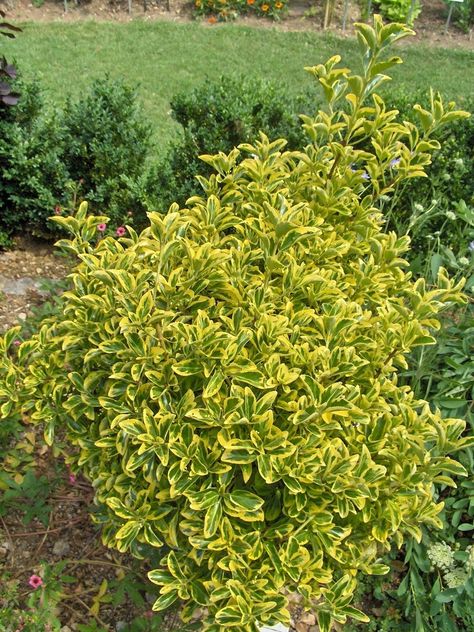
Japanese spindle
It has stiff golden-green leaves that look wonderful even in winter. It grows up to 1.5 metres tall. It is a very slow-growing shrub, so don’t expect it to create partial shade anywhere within a year. Give it time. The advantage is that you can shape it in various ways. It also likes sun or partial shade, and it is even frost-resistant. It does not like waterlogged soil. Try it as a hedge too.
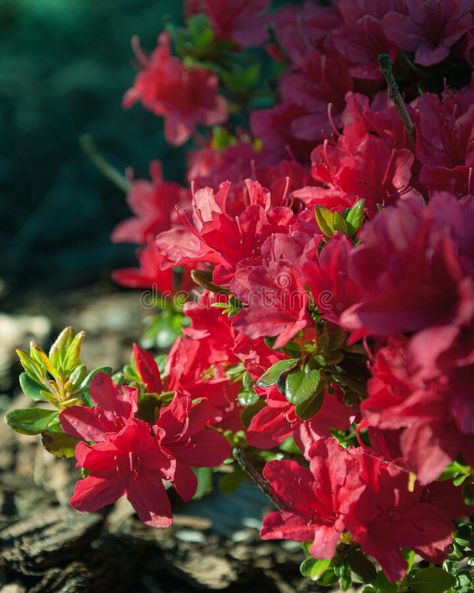
Japanese azalea
It belongs to the rhododendron group. It produces beautiful pink flowers around mid-May. It is very undemanding. It has glossy green leaves that turn orange to wine red in autumn. Be sure to plant it in acidic, well-draining soil with a high iron content. Take care with younger plants, as frost can harm them.
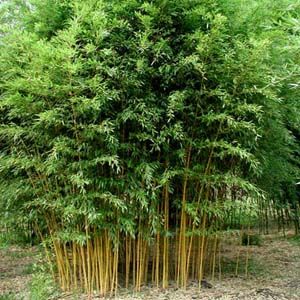
Golden bamboo
This is a medium-sized bamboo. It is suitable as a solitary plant. It has yellow canes, which may be what attracts you most when buying it. You can place it in partial shade, but preferably in well-draining, nutrient-rich soil. It doesn’t mind moist soil either.
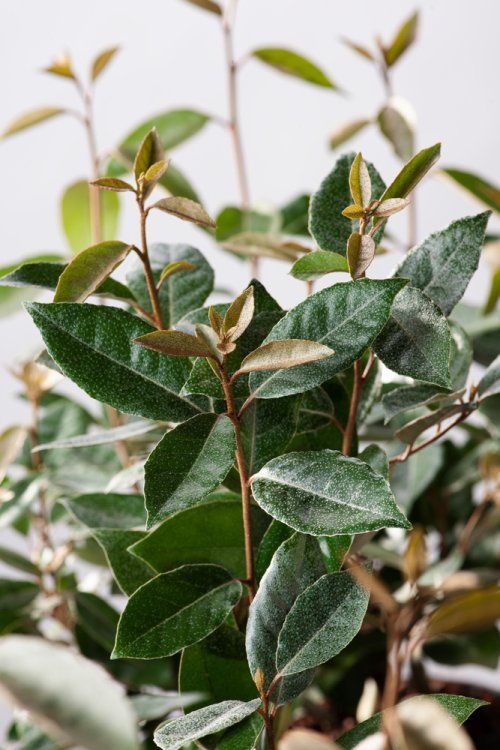
Ebbinge’s silverberry
It is similar to Japanese spindle but grows up to 3 metres tall. It has colourful, interesting leaves that are yellow in the middle. The flowers are inconspicuous but smell lovely. An advantage is that its fruits are edible, oval and ripen in early spring. It prefers partial shade and is undemanding when it comes to soil. Just make sure the ground is not too waterlogged.
Another plus of evergreen shrubs is that you will feel good and stress-free among them. Don’t be afraid to trim them from time to time, it really does them good. And then they will simply look stunning.
Leave a Reply