
Climbing plants on a fence. Yes or no?
Fences overgrown with greenery have a unique atmosphere. A climbing plant can work real wonders. Climbers turn gates and arbours into romantic or charming spots. Even the most beautiful pergola looks sad without them. The advantage is that they can cover anything we want: a wire fence comes to life and turns green, and walls burst into flower and can even bear fruit. They include woody plants and herbaceous plants, perennials and annuals. What is more, they take up almost no space, which you will appreciate in a cramped town front garden or courtyard. They make it more beautiful without making it smaller. Towns also tend to have less greenery, so why not give it a try?
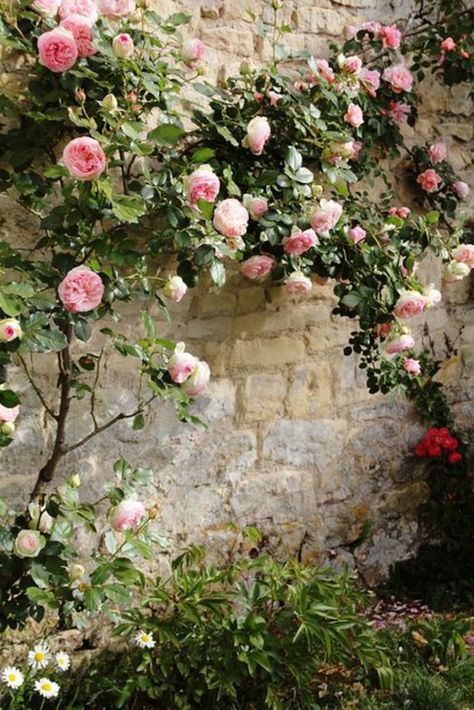
A green fence
Choosing the best fence is an art, as it also depends on the location. Evergreen ivy is perfect for north-facing walls, which are damper and cooler. Gardeners in ancient Greece were already using this hardy woody plant to green their atriums. It will protect the wall even in winter, which means noticeable heat savings. It climbs quickly and spreads very wide. The advantage is that a whole range of subspecies and varieties are grown, each with a slightly different appearance and different needs. It is also one of the evergreen climbing plants.
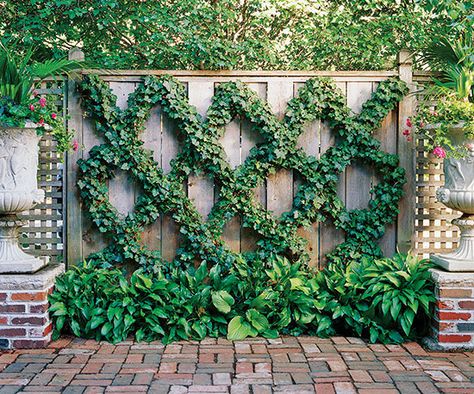
Another tough, shade-tolerant plant is Dutchman’s pipe, which covers walls almost impenetrably. It likes moisture and grows up to 8 metres tall. Dutchman’s pipe has truly beautiful leaves, which overlap as they grow, so they may remind you of tiles on a roof. Do not be afraid to use it on pergolas or garden pavilions and summer houses. In summer, it can provide plenty of shade. It is not suitable for dry areas, as it really needs enough water.
Walls full of flowers
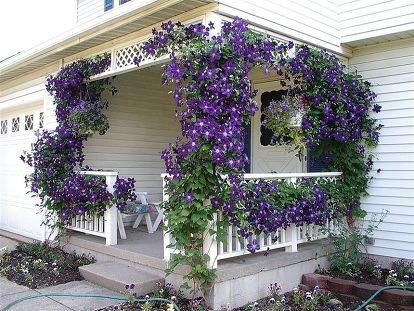
If you dream of a fence in full bloom, we have a few ideas on how to achieve it. The very popular clematis has beautiful flowers. It thrives in south-east-facing spots. The advantage is that you can grow several species. The original species clematis have many smaller flowers and their strength is high hardiness. Cultivated hybrids boast large or double flowers but tend to be more demanding to grow. The highlight or treasure of any garden among flowering climbing woody plants is wisteria. Thanks to its long, rich blue-violet clusters of flowers, it is also called “blue rain”. Chinese wisteria has flower clusters up to 30 cm long, and Japanese wisteria even up to 50 cm. Both thrive in partially shaded, sheltered and warm spots with well-drained soil.
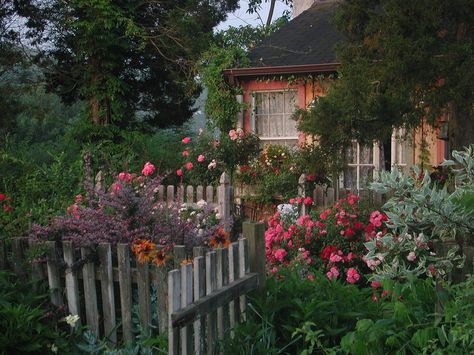
We must not forget the climbing rose, which looks charming in almost any garden or beside a country house. Once you read books about roses, you will find that they all like deep, nutrient-rich soil and a sunny, sheltered but also airy spot.
If you feel brave, plant fragrant winter jasmine in sheltered spots. Its yellow flowers appear in early spring or even in winter. It will really brighten up your garden. It grows to 1 to 1.5 metres, and if you tie it firmly to a support, you can enjoy a splendid plant up to 3 metres tall. It likes space and can be invasive, so plant it in a larger area.
Planting and supports
You can try planting container-grown plants at any time, but spring is the best season. They need a roomy planting hole with drainage at the bottom, and you should also give them good-quality soil enriched with compost. Remember that when planting at the foot of a house, you need to leave some distance, and such plants also need suitable support.
On the other hand, if you surround yourself with such plants, you can also try yin yoga, as nothing will disturb you.
Leave a Reply