
Minimalism in architecture and home furnishing
Come with us to explore one of the most interesting styles: minimalism. It doesn’t suit everyone, as we all like different things. However, if you are fond of Provence, Shabby Chic or the Italian style of living, a little minimalism might be just what you need.
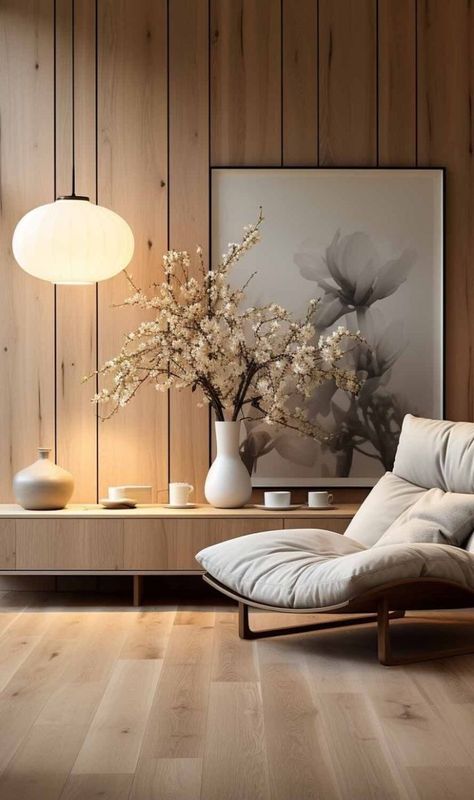
A short history
Minimalism emerged in the 1970s as a cultural movement in opposition to the excesses typical of pop art. The term was first used in 1965 by the British philosopher of art Richard Wollheim in an article called Minimal Art. It is about eliminating the superfluous and, above all, focusing on what matters most. In short, less is more. Yes, that is minimalism.
The style requires all forms of cultural expression to focus on what matters, avoiding wasted energy and every form of excess. It is a return to simplicity, which in architecture translates into using just a few carefully chosen pieces of furniture and designing functional, simple interiors.
Minimalism is about good taste too!
You may be surprised, but today’s minimalist home is neither cold nor impersonal. On the contrary, it can refine good taste into a clear style that highlights a few well-chosen elements, in both materials and furnishings.
If your budget allows, hire an experienced professional, a designer, who can strike the right balance between simplicity and personality as if by magic, making sure the result is not too bare or anonymous.
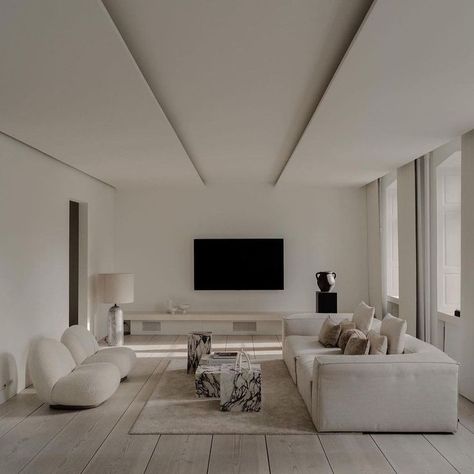
Features of minimalism
When we talk about modern minimalism in home interior design, it often includes the following features and elements: 1. Clean lines and simplicity 2. A neutral colour palette 3. An emphasis on geometric shapes 4. Uncluttered spaces 5. Functionality and purposeful design 6. Elegant, efficient furniture 7. No decorative details 8. Open floor plans and plenty of natural light 9. Use of negative space 10. A focus on the essentials 11. Encouraging mental clarity and calm
Choosing colours
A modern minimalist home calls for neutral colours and soft shades. Elegant decorations and simple patterns bring out the details. Try, for example, white, ivory, grey or dusty pink. Don’t be afraid of them, and you will see your home take on a completely different tone.
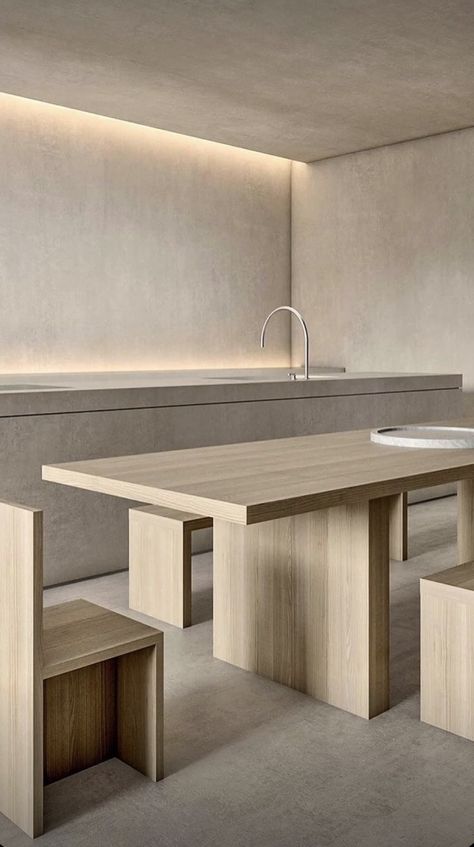
Furniture
Never throw away old furniture, as it may come in handy. There is nothing like a family heirloom, older paintings or vases you have discovered somewhere in the attic. All of these can be useful when furnishing your home. With minimalism, however, you should not overdo anything, so a small number of pieces is really enough.
As for materials, the most popular are:
- wood
- stone
- marble
- resin
- and surfaces with a metallic effect.
Do you have a flat in the industrial style? Minimalism might do it good. Of course, natural materials can be combined with modern and technical materials. Remember that it is also about balance and combining solid and empty forms.
Less is more! If you are unsure how many pieces of furniture to buy, start slowly and gradually decide whether you really need to add anything else.
Modern minimalist furniture has extremely simple lines, both straight and rounded, and flat surfaces without too much variation in form. You may be surprised, but even ordinary handles follow this style: they are usually hidden, so you won’t spot them easily.
Elegant minimalist furniture is also exceptionally comfortable, practical and rational in its use of space and in cutting out the unnecessary. The most important thing is choosing the right furniture. Would you like a comfortable lifestyle that isn’t weighed down by lots of objects? The key is simplicity.
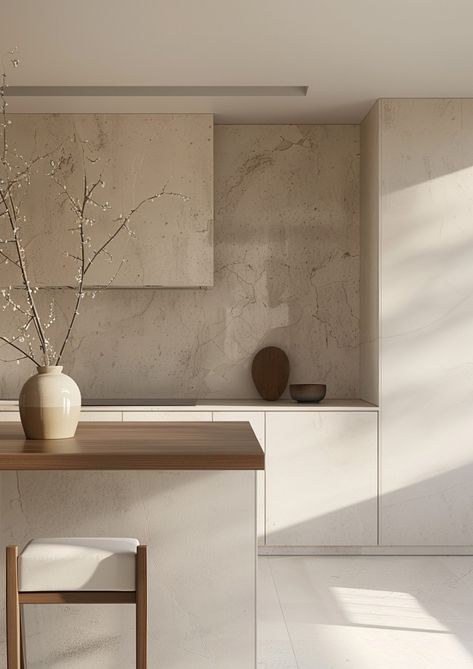
To sum up, the key factors in furnishing a contemporary minimalist home are: neutral colours and soft shades; simple, clean lines; a few practical, functional materials such as porcelain stoneware; and plain, rational furniture. We believe you will love a home like this.
Source: Nestasia.in
Leave a Reply