
Making your own essential oil
Essential oil is a wonderful helper for both body and soul. Essential oils have a positive effect on our mind and emotions, support the healthy functioning of our organs and, thanks to their antiseptic, antiviral and insect-repellent properties, also help with skin care. The best way to use essential oil is aromatherapy. This means adding a few drops to an aroma lamp or a hot bath and waiting to relax and recharge. That seems like reason enough to either buy or make your own essential oil, don’t you think?
Remember, it always depends on the particular plant and its properties!
Not all oils are the same
The basis of essential oil is the aromatic substances found in certain plants and fruits. Hence the name essential, which refers to the Latin word “essentia”, meaning “being”. What does this mean? From apples, redcurrants or strawberries we can only make a fragrance oil, which tries to imitate the scent of these fruits artificially. But you will never extract aromatic substances from them, because they do not contain the right volatile oils. With essential oil, it is the exact opposite. The substances themselves are key, as they contain a natural aromatic compound that comes directly from the plant. Through them, herbs and flowers pass on their scent and healing properties to us.
Home extraction is best
The process of extracting aromatic herbal oils from plants at home is called infusion. The herbs or plants are treated so that their essences fill the oil in which they are immersed. For this reason, herbal oils are often sold as infusions. If you usually buy them in shops, you can also make essential oil at home more cheaply and in large quantities.
Tips for making it at home
- Use a good-quality, lightly flavoured oil, such as sunflower oil.
- Definitely avoid olive oil.
- During infusion, cover the herbs completely with oil. Remember that not even a single leaf may stick out, otherwise it will oxidise and spoil.
- Before storing, always make sure that all plant matter has been removed. Otherwise the oil will turn sour and cloudy.
Four simple steps
- Put herbs or flowers into a clean glass container. You can also try basil, oregano, rosemary or thyme. Then crush them thoroughly so that they release as much herbal aroma as possible.
- Pour vegetable oil into a jug of 400 ml or larger. As we have already mentioned, the herbs must be fully covered. Then cover the jug and leave it in a warm place for a week. Caution! It must not stand in sunlight.
- After a week, strain the herbs. Use either a piece of cotton muslin or an old cloth handkerchief. Repeat the whole process until you have a strongly aromatic oil.
- Then store it in a small bottle with a label so that you know what you are reaching for even after a long time. For decoration, you can wrap cotton string around the cap. This will also ensure that no air gets into the bottle.
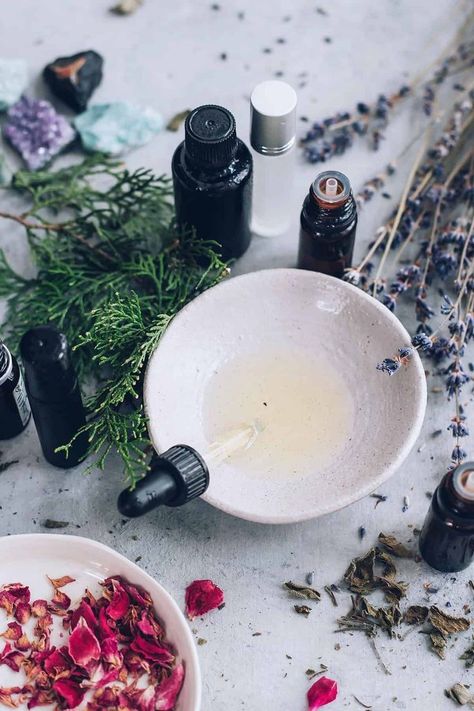
Recipe for the best lavender oil
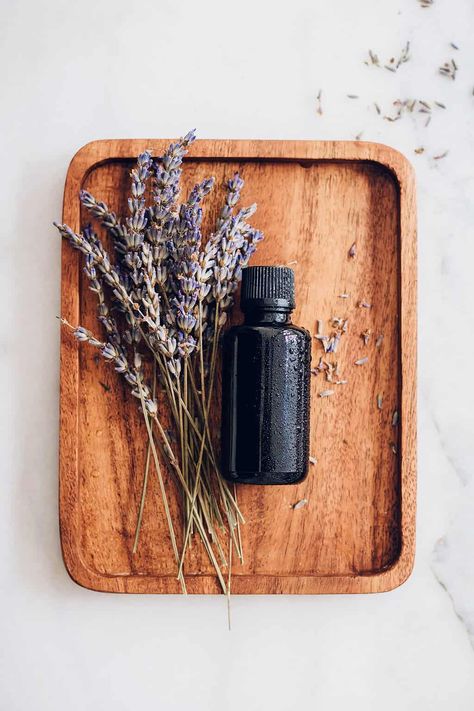
Rub a handful of lavender flowers firmly between your palms to release the volatile oils. You can chop them with a knife, but believe us, having hands that smell of lavender is a delight. Cover them with oil and start heating. Bring the mixture to the boil, turn it down to the lowest setting and keep heating for three hours, but DO NOT BOIL! Then take it off the hob, strain it through a fine sieve and pour it into bottles. As you can see, it is not difficult at all. You can also try it with lemon balm or mint.
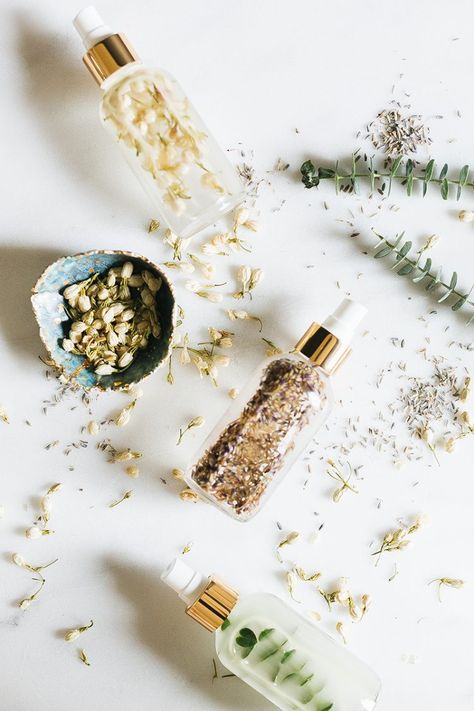
Essential oil will always come in handy. Whether you add it to a bath or an aroma lamp, the most important thing is that you relax.
After reading our article, get inspired by botanical watercolour, creating a tea garden or how to meditate against stress.
Leave a Reply