
How to stop windows steaming up overnight
Condensation on windows is a very common problem in almost every home. It hardly matters whether your home is decorated in a French or glamour style. There can be several causes.
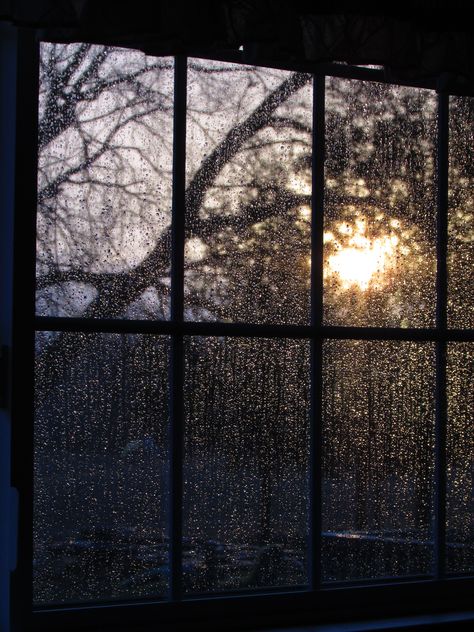
It is essentially surface condensation of indoor moisture.
Watch out for damp in your flat!
The main cause is certainly high indoor humidity combined with a low temperature of the building structure. When unfavourable conditions come together, water vapour condensing on the frame and glass can even lead to dangerous mould and poorer air quality in the room. This could harm your health. The problem is certainly not the material.

Modern and very popular uPVC windows seal very well, and unfortunately they do not provide the necessary air exchange through natural infiltration. As a result, humidity inside the room rises. Air can hold only a certain amount of water vapour (warm air more than cold air). Above this limit it cannot absorb any more water, which causes water to condense on colder surfaces.
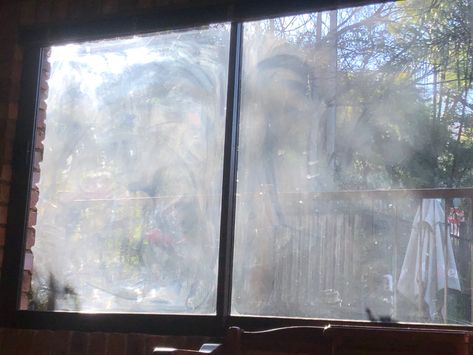
How to deal with condensation?
- Heat the room ideally to 22 °C, so the window warms up and the water will not bother you as much
- Reduce the moisture in the room, which means, for example, the popular habit of drying laundry indoors. However, problems can also arise when cooking, as steam rises from pans. Here you can use a good-quality, suitable cooker hood. The same applies to the bathroom, where you can switch on the extractor fan.
- A dehumidifier is ideal for absorbing moisture
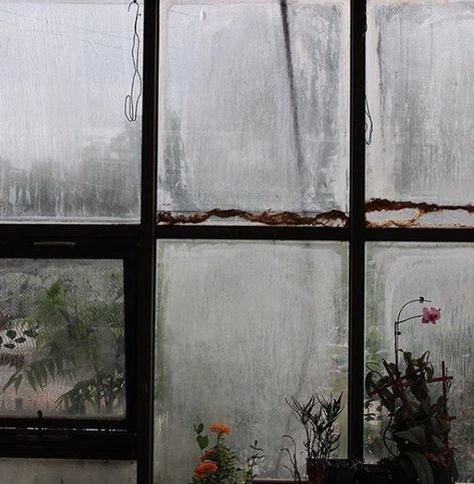
Ventilate, but with care
Adapt ventilation to the current weather outside. In winter, ventilate more often and briefly, for about 5 minutes, but intensively by opening the windows fully. Furniture and walls will not get chilled through, and you will still have fresh air at home. We should ventilate like this several times a day, and at the very least before going to bed.
Do not use the tilt position so often.
The commonly used method of ventilating by opening the window in the tilt position is the worst possible way to ventilate in winter. Air is exchanged slowly, so heat escapes over a longer period. During this longer time the walls of the room cool down more, which then increases heating costs.
Do not use micro-ventilation! It is also unsuitable because the fittings may freeze. Likewise, ventilating when it is raining is not advisable, as the humidity in the room would rise even further.
Try installing a simple hygrometer. There are many on the market. Remember that if the indicator is in the red zone, it is time to ventilate. The advantage is that it is easy to install by simply sticking it onto the window frame.
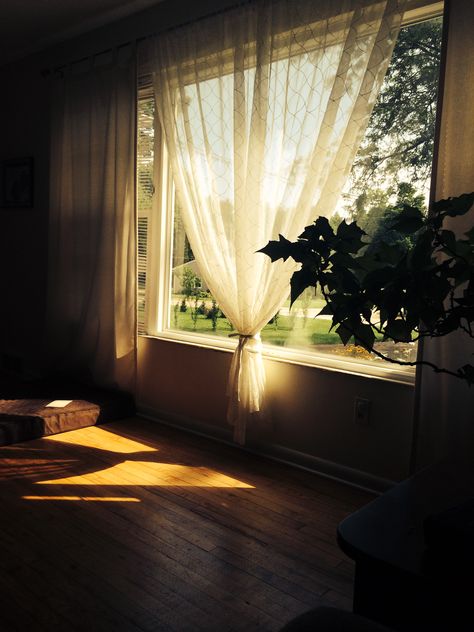
Other causes of window condensation include
- fitting indoor blinds, which affect the air flow near the glass
- incorrectly placed net curtains and curtains
- wide interior window sills
- intermittent heating
- water evaporators
- drying laundry indoors
- placing plants on the interior window sill
- non-breathable laminate flooring
- walls painted with paint containing a high proportion of latex
- renovation work involving wet processes (e.g. skim coating)
And once you have got rid of window condensation, you can focus, for example, on how to let off steam in your own life.
Leave a Reply