
5 tips on how to get rid of ants in the greenhouse
It is a useful yet unpopular insect. It can give you a nasty bite, and yet a famous poem was written about it. Ants are also efficient gatherers, hunters and builders, so why are we so fed up with ants in the greenhouse of all places?
Getting rid of ants
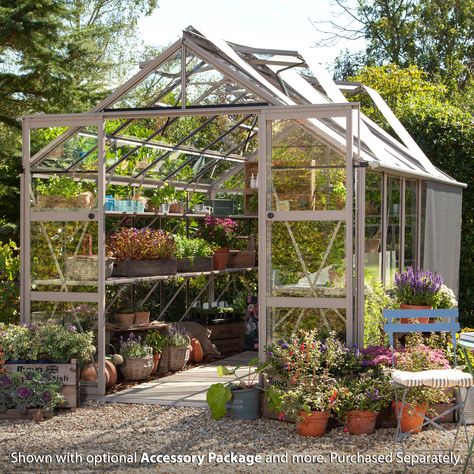
We grow something in our Victorian greenhouse all year round. It can be a mix of vegetables and fruit. A proper gardener is then delighted with such a harvest. It is a very different matter when the greenhouse they care for so much is full of ants.
Looking for a gift for a gardener? Choose something that will help them get rid of these tiny beasts, because ants love greenhouses. It is warm in there and there is something to eat, so why would they leave? In such an environment they build a well-planned system of tunnels, where they store food and eggs. Believe me, if you do not act against them in time, you will face quite an invasion.
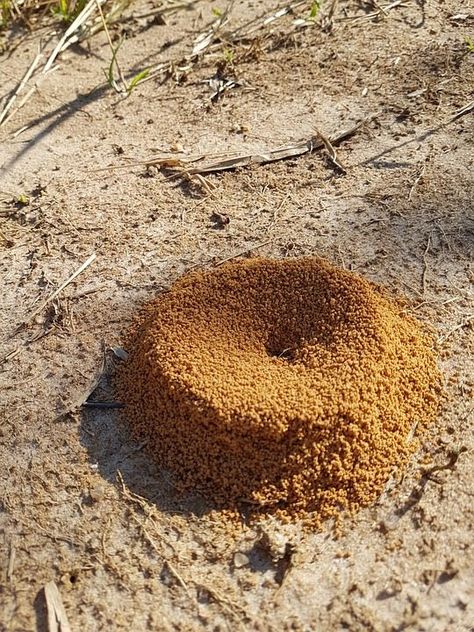
Speed is key
So what do ants dislike? They do not like the smell of coffee, so definitely do not throw away your coffee grounds. Quite the opposite. They will also come in handy for roses and rhododendrons. Ants also dislike baking powder (although you would have to buy it by the kilo), baking soda, salt and pepper. Remember that the smell of these substances fades very quickly, so you need to replace them often.
You can also protect your greenhouse by planting herbs around it that ants dislike, so in the end they will not get through them into the greenhouse. These include popular lavender, mint, rosemary, thyme, basil, garlic, onion and oregano. If nothing else, this corner of your garden will smell wonderful.
5 tips for protecting your greenhouse
Celery slices
Do you have some celery left over from your harvest? Ants cannot stand the smell of celery, so be sure to try it. Cut it into thin slices, sprinkle with salt and cinnamon if you like, and place them around the spots where ants appear.
Baking soda with sugar
There is nothing like a natural approach. You can manage without chemicals. Try baking soda with sugar. Ants instinctively avoid baking soda, but the combination with sugar confuses them, and once they eat it, the soda kills them. Sprinkle this mixture on ant trails or along the edges of your beds.
Chemicals
Buy one of the many products for getting rid of ants and anthills. Products in the form of granules are also very effective and work rather like ant buffets. The ants carry the granulated product back to the nest, where the whole colony feeds on it. Sprinkle the granules directly into the nest or onto the trails.
Natural sprays
Making a natural ant repellent is not difficult, and you can make do with ingredients you usually have at home. One of the most effective sprays is a mix of ordinary vinegar and water. It is versatile, because you can also use this solution against aphids on roses. Believe me, I have had very good results with it. Also try soapy water made with washing-up liquid. In a spray bottle, mix one teaspoon of washing-up liquid (ideally an eco-friendly one) with one litre of water. Then spray this mixture not only on the trails but also on the plants themselves.
Try scented oils too: mix mint with lavender and leave it to infuse for a few days. You will see results before you know it.
Yeast with honey
Do you think you will be spoiling the ants with this “poison”? Think again. Ants find this combination especially tempting and will happily carry it back to the anthill. However, as soon as they drink water, the yeast swells inside them and kills them.
How to keep ants out of your home
- Seal all entry points.
- Store sweets in airtight containers, tightly wrapped in cling film or plastic, or in the fridge.
- Clean worktops, floors, cupboards and pantries regularly.
- Store pet food properly between meals and clean your pets’ bowls.
- Take out the rubbish and make sure the bins are covered.
- Check the bins for any leftovers that may remain after emptying, and clean them regularly.
There are many methods. Abroad, for example, people even use popular olive oil, applying it directly to the ants, which I personally think is a great waste. On the other hand, if you have plenty of it, why not give it a try.
Source: gardeningknowhow.com
Leave a Reply