
How long do solar panels last and how quickly do they pay for themselves?
Are you thinking about getting solar panels? You have probably asked yourself plenty of questions, including the key one of how much it will all cost, but would you also like to know about the payback period and, above all, the lifespan? It is no surprise, as drawing energy from the sun pays off. It also gives you partial energy self-sufficiency, which is why the initial investment is certainly not negligible.
Interestingly, every building can choose between two options:
- a system for heating hot water
- photovoltaic panels for generating electricity
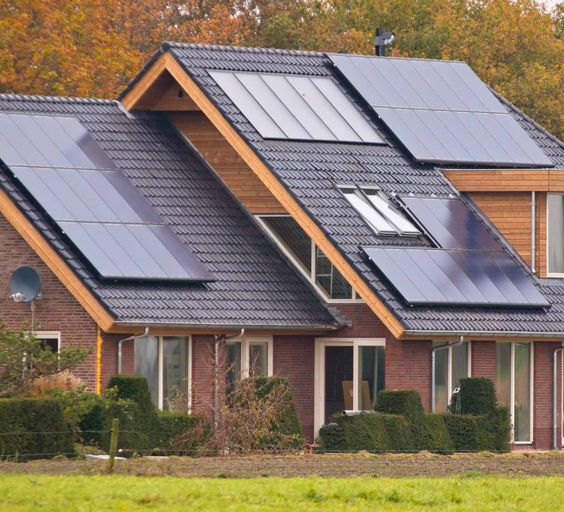
How long solar panels last
How long your newly purchased solar panels will last depends on their design and the technology used. Put simply, every company has a different offer and, above all, different quality. In general, panels last a maximum of 35 years, but as technology keeps moving forward, the durability of solar panels is improving.
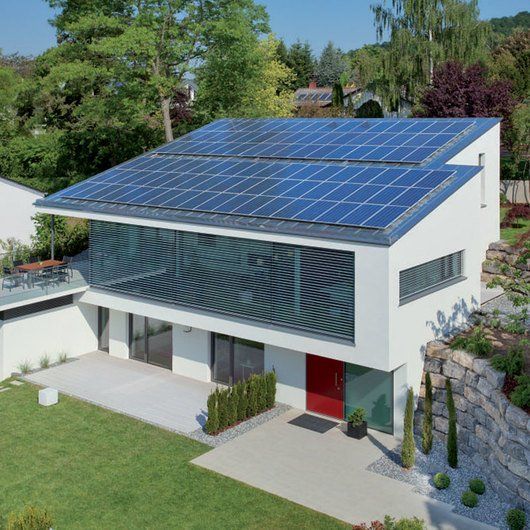
You could also consider a special all-glass photovoltaic panel, also known as glass-glass. These panels are encapsulated in toughened glass, which slows down their ageing. And how much do they cost? You may be surprised, but the price is certainly no higher than for older models.
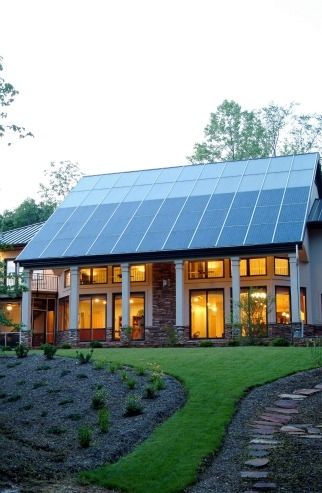
Possible reasons for a shorter lifespan
As we have already mentioned, the general standard for solar panel lifespan varies. For solar panels, the warranty period for collectors is currently around 35 years, while their proven lifespan is much longer. However, it is also important to calculate how much energy you will produce.
Let us be honest, a metal frame will certainly last longer than some of the more delicate parts of the roof itself. You need not worry about mechanical damage, for example from weather conditions. But which long-term weather effects could significantly shorten the lifespan of solar panels?
- extremely high temperatures
- UV radiation
- low temperatures
- long-term ice cover
- heavy hail
- strong wind
- sudden temperature changes
- extreme humidity
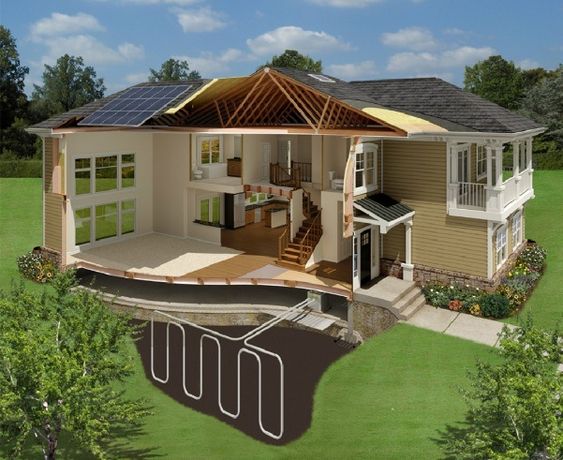
Extending the lifespan of solar panels
Ensuring the longest possible lifespan is a bit of a challenge. Still, it can be done, for example through:
- optimising the entire photovoltaic system
- a professional installer
- regular servicing
Made in China
Yes, it is true that Asia is the main centre of solar panel production. That said, some European panels come from Germany or Turkey. In the past, solar panels made in Asia were labelled as lower quality, but this was not always fair. And why are they mainly made in China? Because of lower costs, of course.
Recycling photovoltaics
Solar panels can be recycled too. The good news is that, apart from a minimal content of genuinely toxic elements, it is no longer a problem to recycle 95 to 98% of the materials needed to manufacture and install a photovoltaic power plant. In Poland, for example, they even have a patented zero-waste method for disposing of collectors.
You pay the recycling fee when you buy them.
Payback period of solar panels
When you take all the equipment into account, the price ranges from 150,000 to 600,000 CZK (about 6,900 to 28,000 USD). Remember that the more powerful and better-equipped the system you buy, the larger the subsidy you will receive. The maximum support is usually around 200,000 CZK (about 9,200 USD). The payback period for the rest of the investment is then very easy to work out from three basic figures: the current price of grid electricity, the amount of energy, and the total cost of the investment after deducting the subsidy.
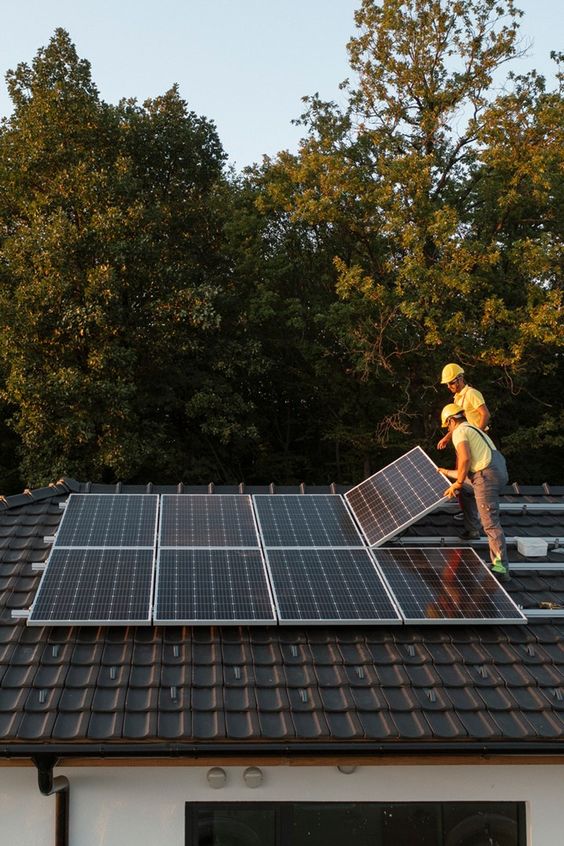
Then you simply multiply by the energy you produce yourself, and you will have a rough idea of when your solar panels will pay for themselves. After that, you are just a small step away from an eco-friendly building.
USD amounts are approximate, converted at the Czech National Bank rate of 21.75 CZK per USD on 9 October 2026.
Leave a Reply