
How to create a wild garden
If you have reached a stage in life where anything perfect and flawless bothers you, your garden will not escape its owner’s new style either. The truth is that a garden really does not have to look like something out of a magazine, and if you let it grow wild, it will even look stylish. A wild garden is really a natural garden that you create, one that will be teeming with life. But even a place like this needs some order, and our article explains how to achieve it.
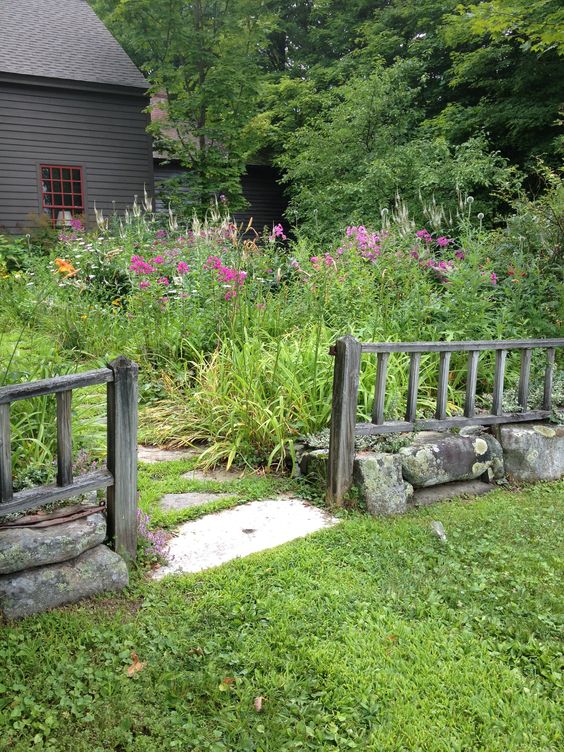
A place nobody looks after
Yes, this is probably what your neighbours will think of you, but do not let that put you off. Simply leave some parts of your garden untidy, because nature likes a mess. Do not burn fallen leaves, just rake them into out-of-the-way corners of the garden. Pile branches and other parts of trees and shrubs on top of them. Of course, make sure that nothing is infested with pests. This creates space for a huge number of beneficial insects and gives birds looking for food a place full of treats. And, nota bene, you may even get a visit from a hedgehog, which will settle down here to hibernate.
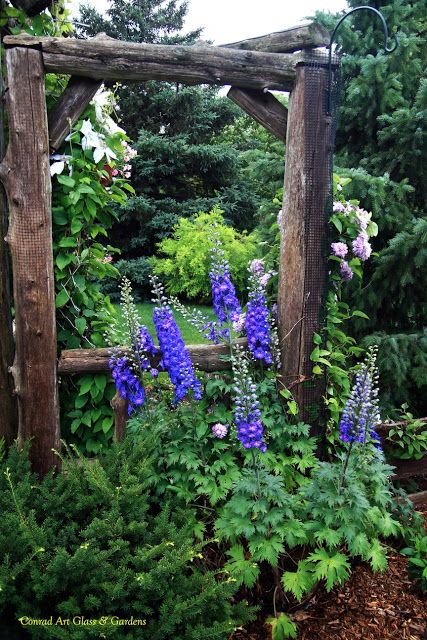
Forget about any kind of care
So where did the trend for creating wild gardens actually come from? We do not know whether people read the book by Mary Reynolds, but the idea of wildness has spread throughout Europe and North America. In a way, it is minimalism when it comes to gardening work, and it brings more variety and more life to the garden. What is more, you will not use any chemicals, so the produce you harvest from it, such as herbs and spices, is truly healthy. The basis is simply an ecological approach, and that is something we should all follow nowadays.
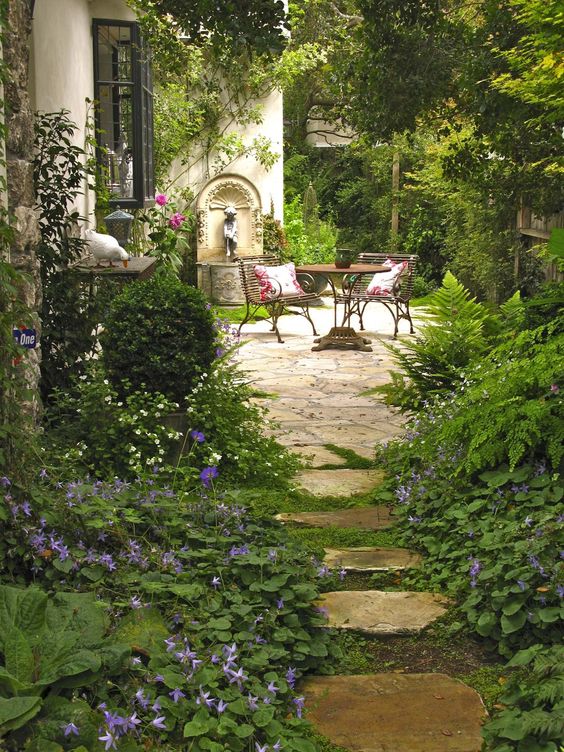
Choose native plants
A big current trend is creating ecological gardens that use native plants. In other words, plant in your wild garden what would grow there without human intervention. Native plants grow easily, need no maintenance and provide food and important shelter for wildlife.
If you decide to plant lavender, butterfly bush, echinacea, rudbeckia and wild thyme in your garden, expect visits not only from butterflies but also from bees and bumblebees. Is it your dream to enjoy a good harvest every year? A garden full of perennials will certainly attract bees, you can bet on it.
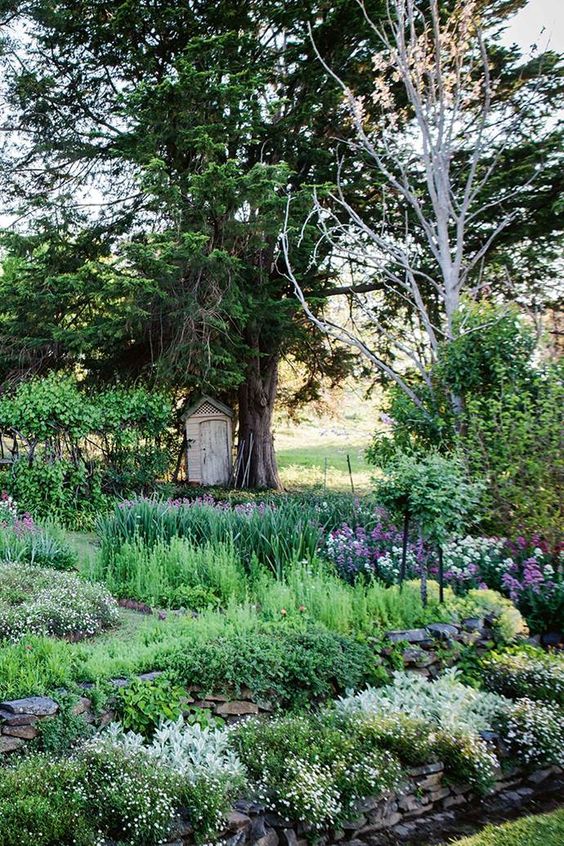
Meadow flowers instead of grass
Wildflower meadows have several advantages. You do not need to mow them regularly; 2 to 3 times a year is usually enough. Even so, take a look at our article on lawn mowers, as one may come in handy for mowing in front of your house. Thanks to the diversity of species in a wild garden, a large number of insects and other animals will find shelter and food there. And let us not forget the aesthetic side.
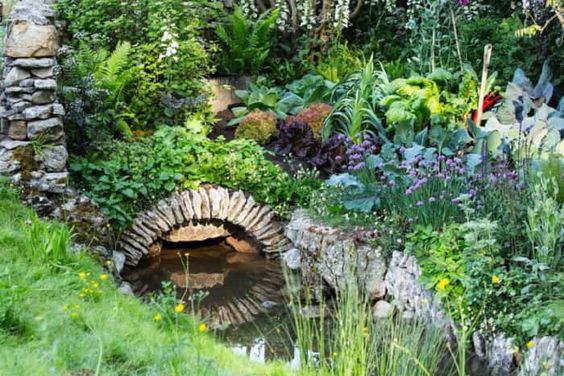
Plant suitable plants around the pond
Once you have read our article on garden ponds, you will agree with us that the most important part of your duck pond is the plants. Deep-rooted aquatic plants keep the water free of algae (for example hornwort or awlwort). And be sure to let water lilies float on the surface. At the edge of your pond, create a shallow marsh and add a range of moisture-loving plants that do not need to be completely waterlogged (forget-me-not, mint, meadowsweet). Then your pond will look truly wild.
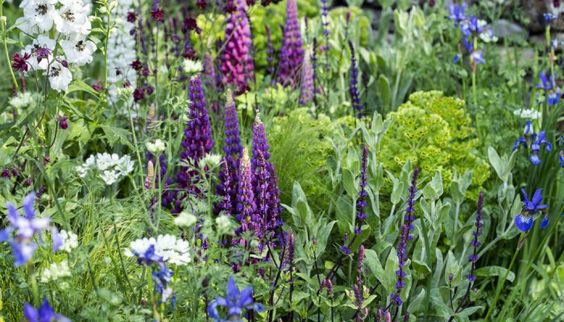
A refuge for birds
Do not forget to put a bird feeder in your wild garden. Top it up regularly with natural food. Not all birds feed on the fruit of berry-bearing shrubs. Mahonia, viburnum, rowan: birds love all these trees and shrubs, so have them in your natural garden too. They will provide food, and birds will also build perfectly camouflaged nests in the tree crowns.
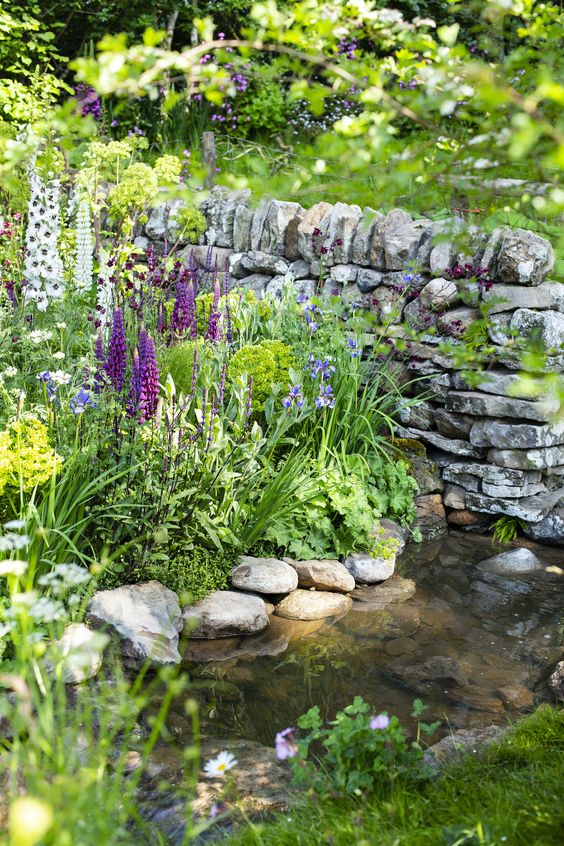
Wilderness does not create itself
We definitely recommend looking into books about wild gardens. A whole range of them has been published in Czech too. It is good to know how to approach a wild garden and to observe its mechanisms, relationships and rules. So do not hesitate and keep learning.
You can also take a look at our other articles, for example 10 rules of typography or what HDO (ripple control) is.
Leave a Reply