
The best herbs for your garden
Herbs have been grown all over the world for thousands of years, not only for their flavour but also for their healing properties. That is why these medicinal plants deserve attention. Their big advantage is that even a less skilled gardener can become a herb grower. They are not demanding to grow, which is a great advantage. You can grow herbs in the garden in several ways, but they do need a sunny spot.
Getting started with herbs in the garden
First, read some specialist literature to learn where to plant each herb and how to look after it. Then prepare your first planting. There are two ways to go about it: the easy way and the hard way. The harder option means growing your herbs from seed yourself (yes, sowing them in a planter). If you want to make things easier, however, we recommend buying young plants that have already been raised, for example at specialist markets.
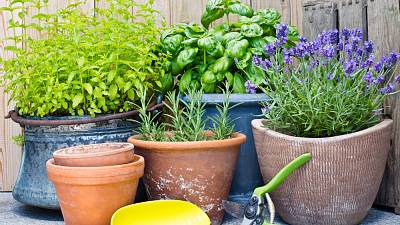
Create a herb garden
For a plentiful harvest and colourful, healthy herb beds, you should plan everything in advance. At the very least, ask yourself the following questions:
- Do you have enough space?
- How many herbs would you like?
- Are you planning to grow herbs in a greenhouse, in a planter or in a bed?
The best herbs for the garden
Herbs no kitchen should be without
Every dish has flavours that suit it and bring out the aroma of a roast, fish or vegetables. So keep these to hand:
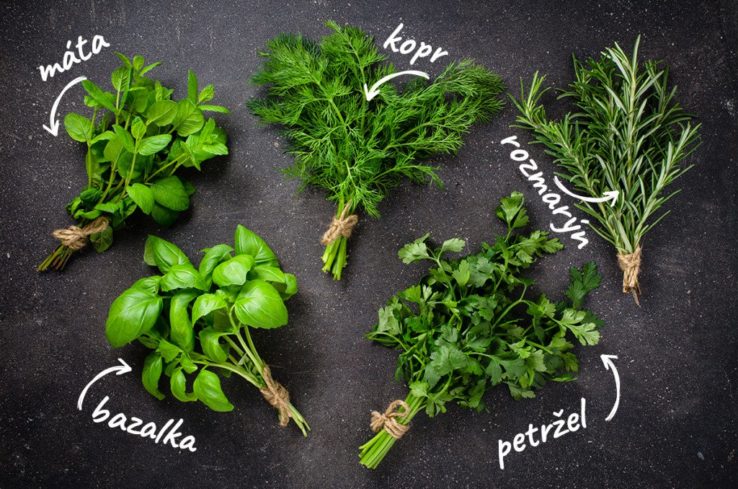
- Parsley – a biennial that thrives in poorer, shaded soil. You can sow it outdoors in early spring. It goes well with potatoes, for example.
- Chives – the hardiest of herbs, so vigorous that its growth may start to get on your nerves. It likes light and partial shade. From March to October it produces plenty of green stalks.
- Dill – a hardy annual. The seeds can be sown directly into the soil in April, in a sunny spot. Pick the leaves as needed, for example for dill sauce.
- Lovage – a hardy perennial herb similar to celery. It grows best in sun or partial shade. You will appreciate it in salads or soups.
- Horseradish – finding young plants is tricky, I speak from experience. It does very well in deep, humus-rich, moisture-retentive soil that has been thoroughly prepared beforehand. Enjoy it in salads, or grate it and use it instead of mustard.
Both chives and lovage are herbs that like to spread. Remember that it is a very good idea to trim them regularly.
Mediterranean herbs
Among the staples of Czech cooking are Mediterranean herbs. So grow these in your bed:
- Basil – a half-hardy annual that is sown under glass in March and planted out in a sunny spot at the end of May. You can add it to pasta or salads.
- Thyme – a low, hardy subshrub with a wide variety of shapes and scents. It needs sun and warmth. Try adding it to game or stuffing.
- Rosemary – an evergreen shrub that thrives in full sun. It must overwinter at a temperature of 7–12 °C. Cut leafy shoots all year round. It is excellent with mutton, on potatoes or in ice cream.
- Lavender – prefers rather dry soil. You will appreciate it not only in the garden but also in lemonade.
Herbs for tea
You probably won’t grow green tea in your garden, but you could try:
- Peppermint, all cultivars of this perennial thrive in cool, shaded soil or in soil that is not damp in the sun. They lose most of their leaves over winter.
- Lemon balm – a perennial that does well in well-aerated soil in partial shade. It needs regular cutting back.
- Chamomile – likes a drier spot, so don’t water it too much. Otherwise, it is excellent for digestion and relaxation.
How to water herbs
Most herbs die from overwatering rather than from drying out. So water sparingly, always according to the needs of the particular herb. Generally speaking, it is better to water less often but thoroughly.
Water must never be allowed to collect. If water draining into saucers and pots is not absorbed within half an hour, pour it away.
Do not water herbs in the garden from above, as this encourages fungal infection and in strong sunlight it can lead to scorched leaves. Water the soil, not the plant itself.
Storing herbs
Sometimes herbs need to stay fresh for several hours or days. There are also herbs that you can either freeze or dry.
- Freezing in the freezer, basil keeps its aroma well but turns mushy. Suitable herbs include dill, parsley, chives, lemon balm, chervil and coriander. You can freeze them in a plastic food container or in a bag.
- Drying – you can try drying herbs from the garden in the oven, or preserving them in vinegar or oil. Or spread them out in an open, airy and dry place.
Once you have read our article, take a look at others, such as how to build a raised bed from pallets or how to avoid obesity.
Leave a Reply