
5 tips for reducing humidity in your flat
Would you like to reduce the humidity in your flat? Too much water vapour in the air is unpleasant and harmful to the human body, especially to the airways and mucous membranes. It shows up as a dry, irritating cough, difficulty breathing, burning eyes or cracked lips.

However, there are several ways to get rid of these problems. We have chosen 5 tips to show you how to reduce the humidity in your flat.

1. Change your habits
Reducing the humidity in a flat where an ordinary family of three lives is a tough nut to crack. Such a family releases up to 12 litres of water into the air. This makes sense. It comes from cooking, bathing, showering, drying laundry and ironing. Try to take more lukewarm showers, and use lids when cooking. Get a cooker hood and a fan for the bathroom. This will reduce the amount of steam and lower the humidity in your flat or house.

2. Air, air and air again
Yes, even ordinary airing can help reduce the humidity in the house. Airing should be intensive, thorough and regular. In rooms where moisture lingers, such as kitchens and bathrooms, install a cooker hood and ventilation.
3. Do not overlook heating and air conditioning
Try to focus on the overall heating, ventilation and air conditioning system, which you may know by the abbreviation HVAC (heating, ventilation and air conditioning). With this system, the warm or cool air flowing from the air conditioning effectively reduces excess humidity.

4. Moisture absorbers
An easy and very effective way to reduce humidity in a building is to place moisture absorbers in the rooms. They absorb excess moisture and effectively neutralise odours. This protects the room from damp, mould and stale air.
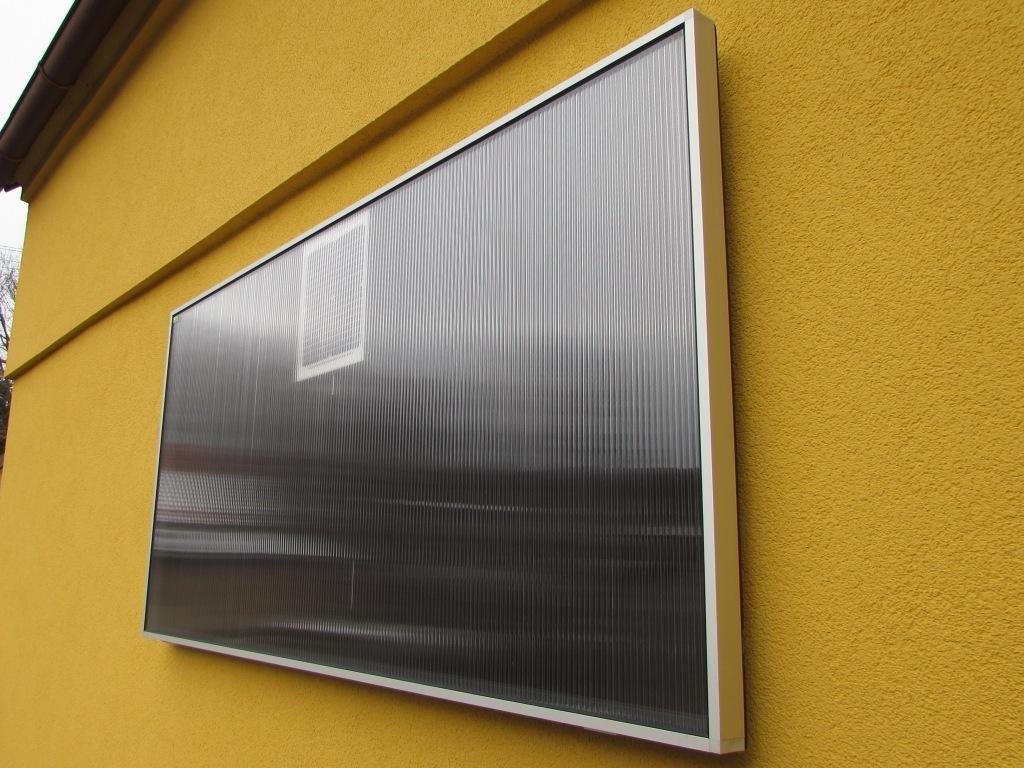
5. Solar air heating panels
For some people, the solution could be solar air heating panels designed for ventilation and dehumidification. They are particularly suitable for cottages and holiday homes, but they can also be used in family houses. Their biggest advantage is energy independence, as they run on sunlight, not on electricity.
Whichever way you choose to deal with mould and damp, frequent and sufficient airing is the be-all and end-all. You also should not put these problems off. On the contrary, you should start tackling them as soon as possible.
After reading our article, take a look at, for example, how to achieve optimal humidity in your flat, the pitfalls of heating with air conditioning, or the story of the first economic crisis.
Leave a Reply