
Bay leaf and how to grow it outdoors in the garden
It is often a symbol of victory or glory. Like aloe vera, it is antiseptic and can be grown in a pot. So what are we talking about? Bay leaf is a precious spice that almost everyone knows. It has a really wide range of uses in the kitchen. You can even make tea from it. Its two-year-old leaves are dried in the shade, simply so that they keep their light green colour. The advantage is that you can grow it in our climate too. It is best grown in a container that you can move indoors for the winter.
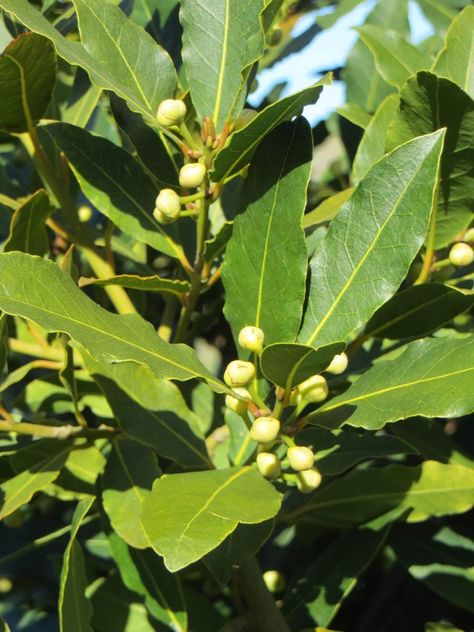
The most commonly used spice
You will use bay leaf a lot in the kitchen, whatever kind of cooking you do. You usually won’t find out from the packet where it was actually grown, because it falls into the spice category and sellers don’t have to state this on their products. However, the main growing region is considered to be the Mediterranean, especially Turkey. In any case, with today’s increasingly warm conditions, you can find it almost everywhere, including in our country.
How to grow bay leaf
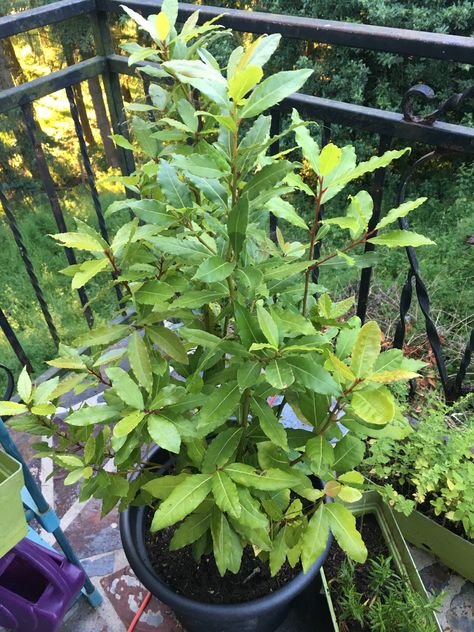
Bear in mind that growing bay in a container is more demanding. In the ground, it copes better with moisture. Unfortunately, the tree loves warmth, so plant it in a greenhouse or move it into a container at the end of autumn so that it doesn’t freeze. Also remember that older bay trees can withstand frosts down to -2°C, but younger ones are the exact opposite. They are more vulnerable and are less likely to survive in the ground.
Don’t be afraid of pots. You just need to follow a few rules.
If you decide to put it in a pot, a deeper one is best so that the plant has room to grow. As for soil, choose one for houseplants. Don’t experiment! It might not work with bay. Ideally, mix the soil with a little sand to lighten it. Then just choose a spot where it will get as much sun as possible and, above all, water it regularly. If you are worried about what to do with it in winter, here is our advice: feed it, feed it and feed it again. And when will you see the first leaves? As a rule, not until after two years.
Drying bay leaves
Once you have waited long enough and have your first leaves, you will probably want to know how to dry them. Their undeniable advantage is that they are useful both dried and freshly picked. If you still want to dry them, do it the same way as drying mushrooms: try a dehydrator or a windowsill covered with old newspaper, and dry them in a ventilated room. Then store them in a suitable glass jar or a favourite tin that will look great in your kitchen. Just like oregano, bay leaf is a miracle elixir.
Where to use it?
With bay leaf, you don’t need to worry about where to use it. It is very versatile. Try it as an alternative to your favourite incense sticks. You don’t always have to settle for lavender, the scent of bay leaf calms the mind and also helps prevent stress.
Most often, however, it is used in various cream sauces or to make brines for pickling mushrooms and gherkins. Don’t hesitate to add it to a jar of pickled sausages (utopenci) or when roasting meat. It is also good in marinades. As we have already mentioned, bay leaf has anti-inflammatory effects, aids digestion and lowers blood sugar levels. Be careful with its berries, as they are rich in essential oils, which can cause an allergic reaction in more sensitive people. Definitely don’t try inhaling it, as it causes hallucinations.
What to avoid?
It is not very demanding to grow, you just need to watch out for a few small things, such as direct sunlight and regular watering. Our tip: if your bay tree droops its leaves, it is still thirsty, but that doesn’t mean you should leave it standing in water permanently. That is too much even for other plants. If you water it regularly in small amounts, you will see it grow very quickly.
Leave a Reply