
5 tips for setting your thermostat correctly
In an energy crisis, it is always worth working out where you can save. The right indoor temperature is therefore very important, not only for your comfort but also for your health. However, choosing the right setting is not as simple as it might seem at first glance. It is true that every modern radiator has its own thermostat for controlling the temperature in individual rooms, but many people also have a main thermostat mounted somewhere on the wall, which can make the settings trickier. So in today’s article you will find 5 TIPS to help you set your thermostat correctly.
1. The ideal indoor temperature
Thermostats are electronic devices connected to a boiler or another heat source. They keep your home at the temperature you set on them. If the temperature drops below the set level, the thermostat switches the heating on. When the temperature goes above it, the thermostat switches the heating off again. It’s that simple. Your reward will be pleasant, steady warmth, a comfortable home and, of course, lower costs. That is why the right indoor temperature matters. So what is the optimum temperature for each room?
- Living room: 20 to 21 °C
- Kitchen: 18 °C (the temperature is higher where you cook and bake)
- Bedroom: 16 to 18 °C (this temperature is ideal for better sleep)
- Bathroom: 24 °C
- Hallway and stairs: 10 to 15 °C
2. Invest more in a thermostat
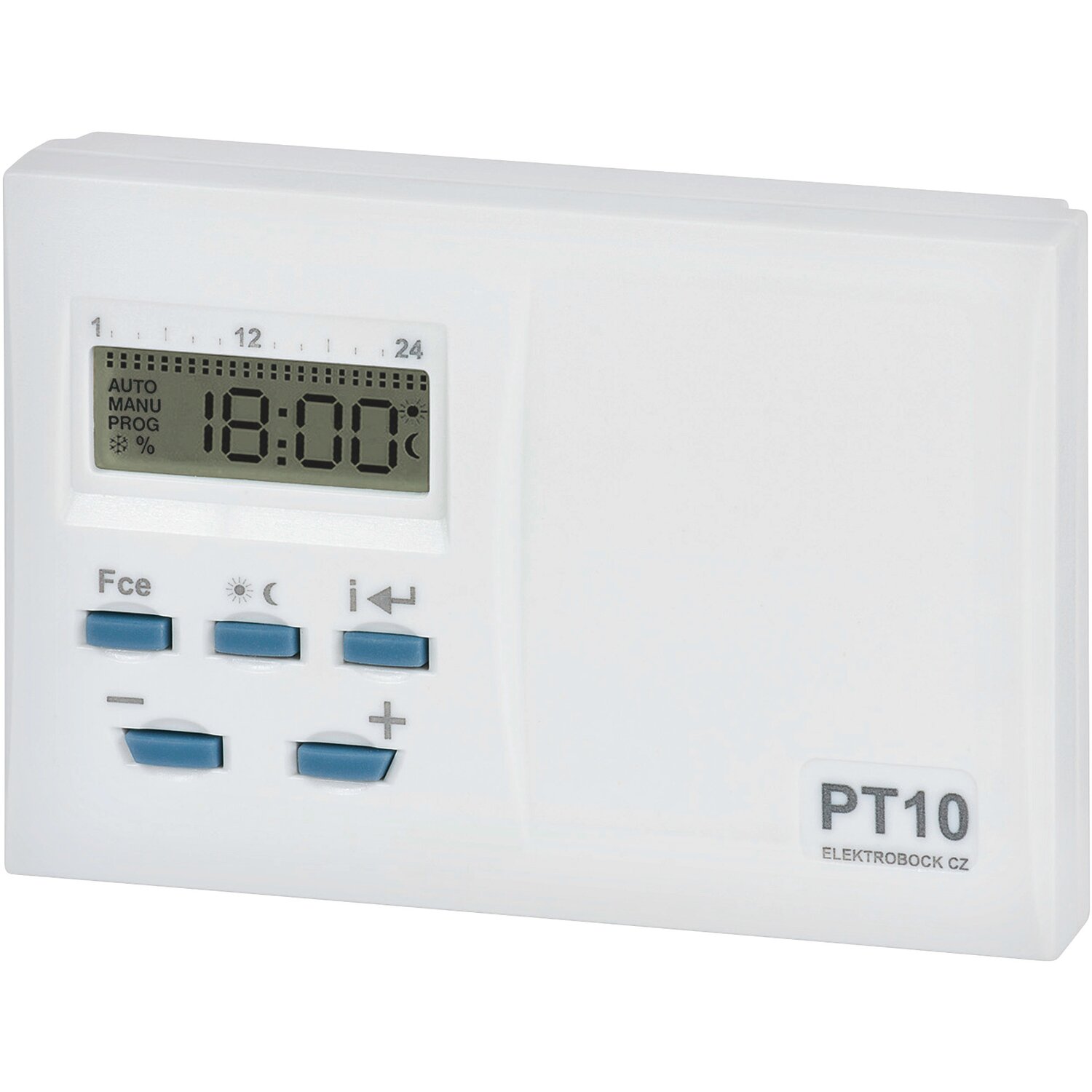
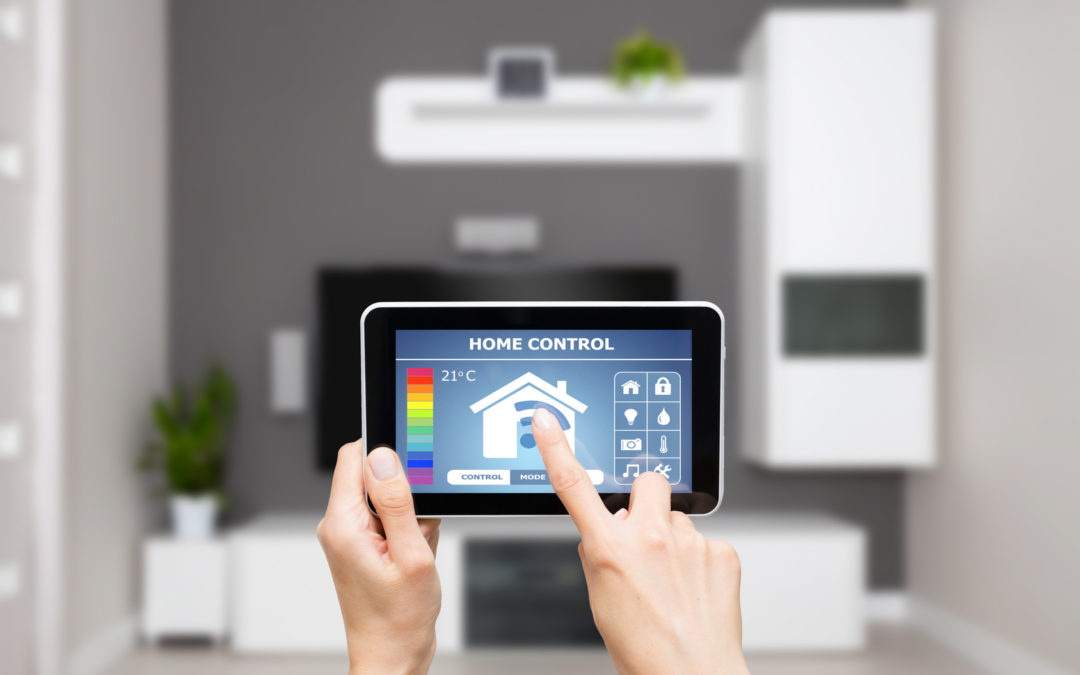
The recommended temperatures vary widely from room to room. The ideal solution is therefore a thermostat that lets you control the temperature in each room separately. Standard thermostats do not offer this and regulate the temperature for the whole building based on a sensor placed in one particular spot. This can lead to some rooms being overheated and higher electricity bills. Of course, you can adjust the temperature in individual rooms directly on the radiators, but only when you are physically at home. A thermostat, on the other hand, lets you set the temperature you want in advance or even control it remotely via a mobile app.
3. Timing is key
You will make the biggest savings with a room thermostat by setting the time intervals correctly. To do this, ask yourself the following questions: what time do I get up, what time do I go to bed, is anyone at home during the day, does everyone come back from work or school only in the late afternoon? Your answers to these questions will help you set your thermostat correctly.
4. What about sensors?
When installing a room thermostat, do not underestimate where you place the temperature sensors. They can either be in the room or installed in the floor. A combination of both is also possible, in other words a thermostat with several sensors that takes readings from different places. Never place sensors close to a heat source, as this could significantly distort the measured temperature. Some modern thermostats allow remote control. You can operate them using your phone, for example. Special mobile apps show you the current room temperature, so you can decide whether to turn the heating up or switch it off. If you set your thermostat correctly, you will save a lot of money. Some manufacturers state savings of up to 20% for their products.
5. Weekend thermostat settings
Adjust the time intervals for different days of the week too. Households usually have a different routine at weekends than on weekdays. On the room thermostat, set the heating to come on later on Saturday and Sunday, because you get up later. The interval will continue through the morning so that you can have a warm breakfast with your family.
Air humidity also matters
If your thermometer or thermostat shows high readings but you still feel cold, check the air humidity. Dry rooms can feel up to three degrees Celsius colder. Remember that air humidity should be between 50 and 55%.
Don’t be afraid of thermostats. You can control them by phone or text message, which makes heating easier at a country cottage, for example.
Once you have read our article, take a look at how to choose the right fridge or the 5 love languages.
Leave a Reply