
7 tips for choosing a wood-burning stove
Few things can match the sound of wood crackling in a wood-burning stove. If you have decided on this kind of heat source, it is best to get to know what is on the market first, and only then will you enjoy all the benefits of heating with a wood-burning stove. Today we have picked 7 tips to make your choice easier, when you are buying a wood-burning stove.
1. What will you use the stove for?
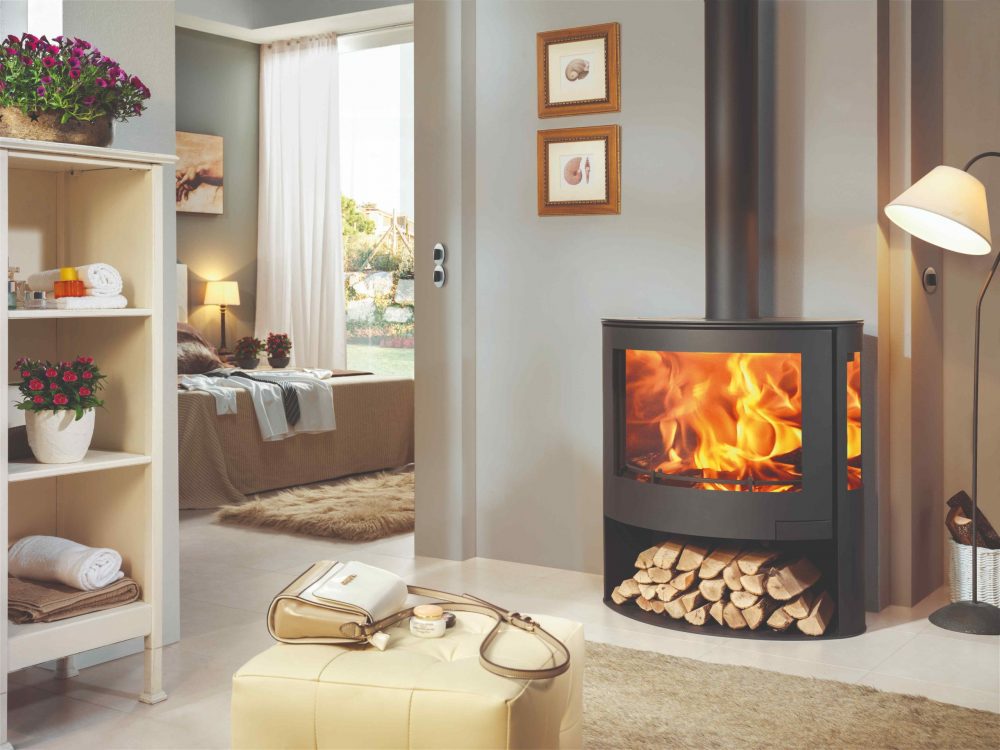
What will we use the wood-burning stove for? This is probably the very first question to ask yourself. Are you thinking of the stove as your main heat source? Or as a secondary one, where you mainly long for a blanket, a book and the occasional drink, in short, it is mostly about the atmosphere? Also consider how the stove is built. Stoves are made in a single-shell version from cast iron. These are suitable for smaller spaces or for rooms with higher ceilings. If you choose a double-shell stove, however, it is usually made from sheet steel. This means that air is drawn into the space between the combustion chamber and the outer casing, where it warms up and then rises.
2. What fuel will we use?
Saving is a word you hear often. People save not only on heating costs and heat loss, but also on ordinary things such as a woodshed. As a result, owners with a smaller garden who count every metre will find it harder. It does mean, however, that when buying a stove you must also think about storing wood, even 2 to 3 seasons ahead. This is so that the wood dries properly, has a good calorific value and does not leave the glass sooty.
You also do not have to carry out as much ash. The quality of the wood is the most important thing. If you choose the wrong wood, your flue pipe and chimney can also become clogged. The most suitable option is pressed wood briquettes. And if you have decided on a stove that does not burn wood, you can choose from pellet, gas or bioethanol stoves.
3. What about heat output?
The heat output of a wood-burning stove should match the type of your property. If you have an older house, expect greater heat loss, which means you will need a more powerful appliance. In a new house it is usually the opposite, so that the interior does not overheat. Remember that a good-quality wood-burning stove should work properly even at low output. You can get more precise information directly from the supplier.
4. Hot-air wood-burning stove or stove with a hot-water heat exchanger?
The main advantage of hot-water wood-burning stoves is that they are connected to a buffer tank, so they can heat your whole house or flat. On the other hand, the downside is higher fuel consumption due to lower combustion efficiency. Hot-air stoves heat from a central point and use less fuel, but they are not suitable for permanently occupied homes, because they overheat the air indoors and spread smells, noise and dust. They are best suited to holiday cottages.
5. Building readiness comes first
Before choosing, it is essential to find out the condition of the chimney, its diameter and its effective height. Most modern stoves already have a connection for an external air supply. We recommend using the air supply especially in buildings that are well insulated and have airtight windows.
6. Wood-burning stove design
Above all, you should like your wood-burning stove, which means it should fit the specific style of your interior. You can choose between modern, classic and rustic styles. Also look at the material. You can choose cast-iron, all-steel or tiled stoves with cladding… It is entirely up to you and your taste. So do not be afraid.
Book a stove fitter and definitely do not cut corners.
7. DIY wood-burning stove installation?
In the previous points we outlined roughly what should come before you buy a wood-burning stove. That is why our advice on installation is clear: book a stove fitter rather than wonder later what your amateur installation has done. We also recommend buying your wood-burning stove from a specialist in a bricks-and-mortar shop, where you can also count on service both during and after the warranty.
How to look after a wood-burning stove
If you really want your wood-burning stove to last as long as possible, always burn dry wood. If you are not sure whether the wood is dry enough, use a special wood moisture meter, it is truly invaluable. And do not forget the most important part: regular checks and inspections of your stove and chimney.
What other accessories do you need to buy?
Have you bought a wood-burning stove and are now wondering what else to buy so that everything works as it should? With your wood-burning stove, be sure to buy:
- Ash vacuum cleaners
- Fuel
- Stove pipes
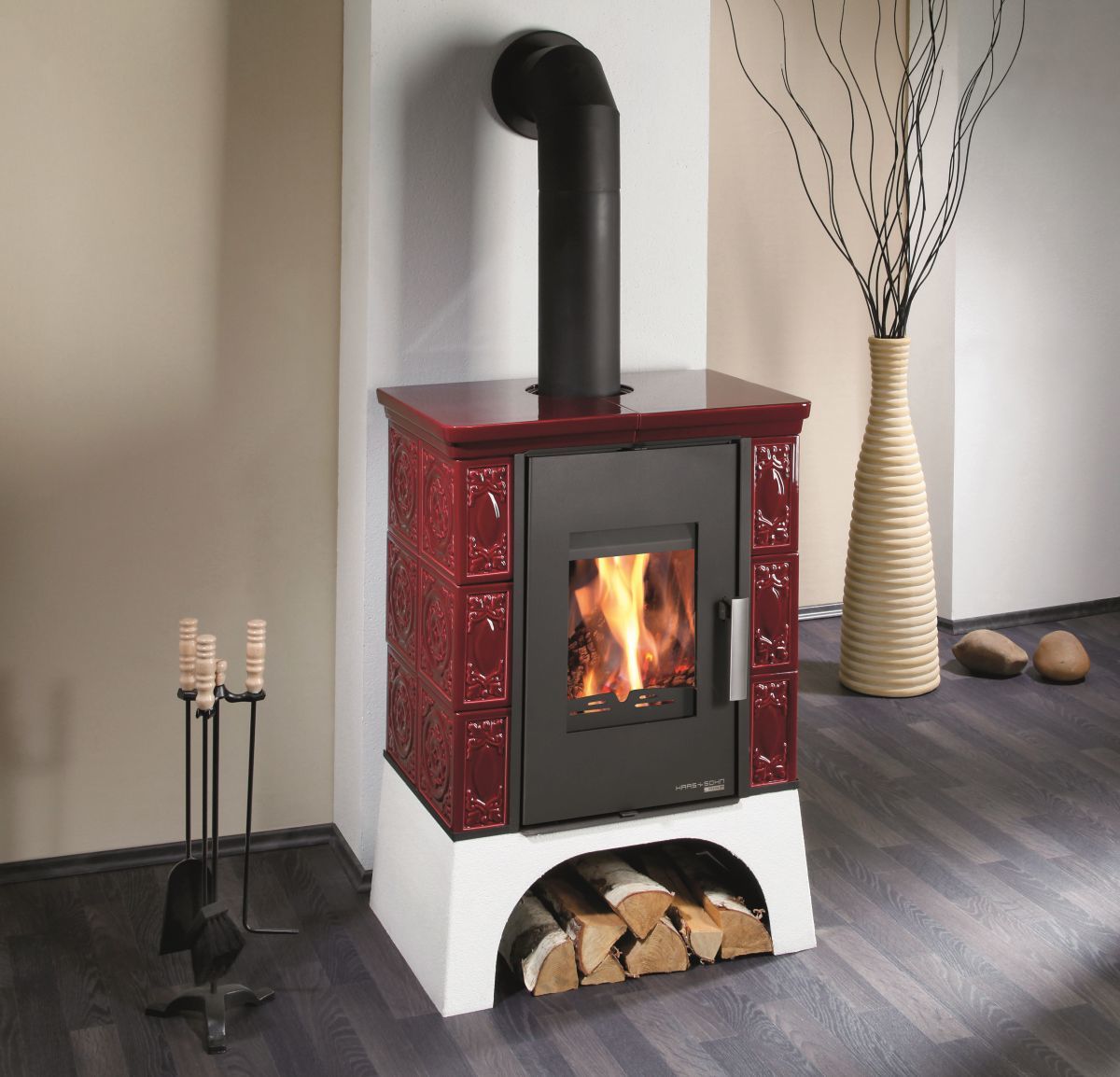
- Fireplace tools
- Insulation boards
- Chimney systems
You may also find these useful in your home:
- Radiators
- Heating pumps and circulation pumps
- Expansion tanks
Having a wood-burning stove is really great, not least because you can even cook on it, but we still recommend that you do not overload or overfill it, especially with poor-quality wood.
While you are deciding whether a wood-burning stove is right for you, take a look at our other articles, for example on how to get rid of fruit flies or on the best breathing exercises.
Leave a Reply