
Snowdrops, where to plant them and how to care for them
The snowdrop is surely one of the most beautiful flowers in the garden. This herald of spring, as it is often called, brightens up any spot. Did you know that the species most commonly found in the Czech Republic is the common snowdrop? If not, you may be surprised to learn that there are 17 species in total, spread across Europe. This delicate little flower blooms from February to April. I would not really recommend it for a vase, because it soon wilts, but you will certainly have time to paint it.
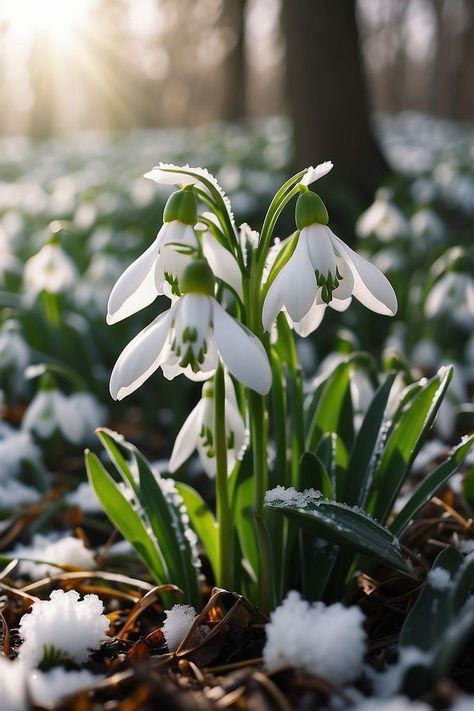
Where to plant it?
It is generally recommended to plant it under deciduous trees and shrubs. Try to plant the bulbs close together. The snowdrop likes to grow in groups, and within two or three years it will form a beautiful white carpet. The big bonus of the snowdrop is not that it is the very first to flower, but above all that it is so undemanding. Plant the bulbs 3 to 5 cm deep. As for the growing medium, choose one with a higher pH.
The ideal time to plant them is in autumn, from September to November. Above all, they like moist, alkaline, well-drained soil in partial shade. Compared with snowflakes, which by contrast thrive in open, welcoming spots, snowflakes will really appreciate soil that is more acidic and waterlogged.
Watch out for drought
What snowdrops really cannot stand is drought. As we have already mentioned, they mainly need alkaline, nutrient-rich soil that matches their natural habitat. That is why it is important to choose a suitable spot carefully when planting and to make sure they get enough moisture. If you follow these recommendations, you will be able to admire beautiful snowdrops in your garden every spring.
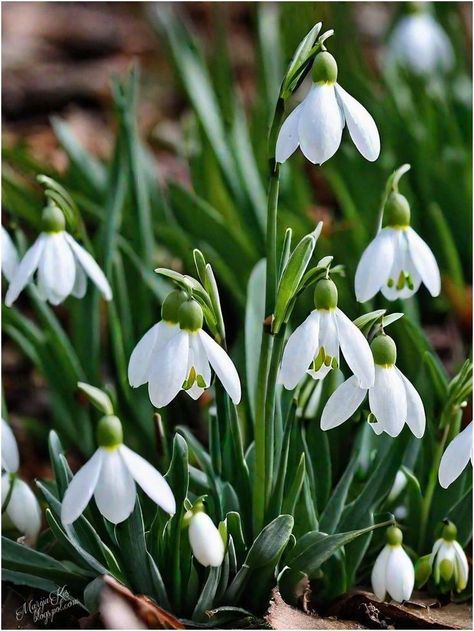
What is the difference between a snowdrop and a snowflake?
People often confuse them, but if you look at both flowers more closely, you will find that there really is a difference between them. They belong to the same family, the amaryllis family (Amaryllidaceae), and yet they differ in both their morphology and their habitat.
Spring snowflake: it is taller than the snowdrop and grows up to 25 cm tall. At the top of the stem you will find 2 to 5 flowers. The flower is bell-shaped and the petals are usually tipped with a yellow spot. It particularly likes damper, more acidic gardens.
Common snowdrop: it tends to be smaller and so grows up to 15 cm. It has single white flowers.
Be careful in the wild, though. Never pick them in the countryside. Both snowdrops and snowflakes are protected. If you do pick them, you could face a hefty fine.
What is more, both are poisonous. However, if used in small, controlled doses, they can actually help. The snowflake is a diuretic and has laxative effects, so it is used to treat health problems such as headaches, diarrhoea or stomach cramps.
The snowdrop, in turn, has anti-inflammatory effects, so if you suffer from abdominal pain or urinary infections, using it might help you. Never take either of them on your own. Always use both snowflakes and snowdrops only after consulting a doctor.
Fortunately, there are plenty of garden centres, so do you now know which bulbs to buy as a gift for a gardener?
What to do after flowering?
Snowdrops and snowflakes are hardy plants, so you do not need to lift them from the soil for the winter. After flowering, leave them where they are and let them die back. They also spread well on their own. Interestingly, and somewhat paradoxically, they are helped to spread by ants, which carry their seeds around.
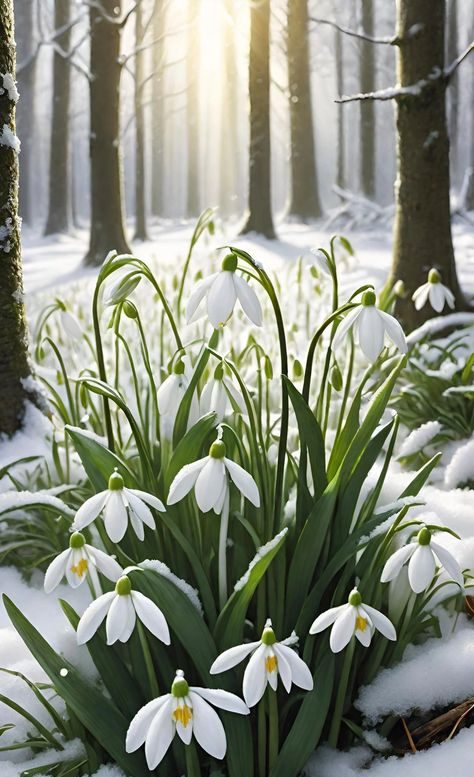
Are you worried about diseases or pests? Do not worry. Wild animals do not like the taste of them, and they are not at risk from any disease either.
A snowdrop looks truly beautiful in the garden. It may not last very long, but it is worth growing even for that short moment. And then you can look forward to ornamental garlic or the beauty of tulips.
Leave a Reply