
Wabi-sabi as a lifestyle and an interior design style
Japanese style is becoming more and more popular around the world. Japanese gardens are especially popular, and you can create one in our climate too. Another Japanese Zen philosophy, called Wabi-Sabi, is also remarkable. So what makes it so special?
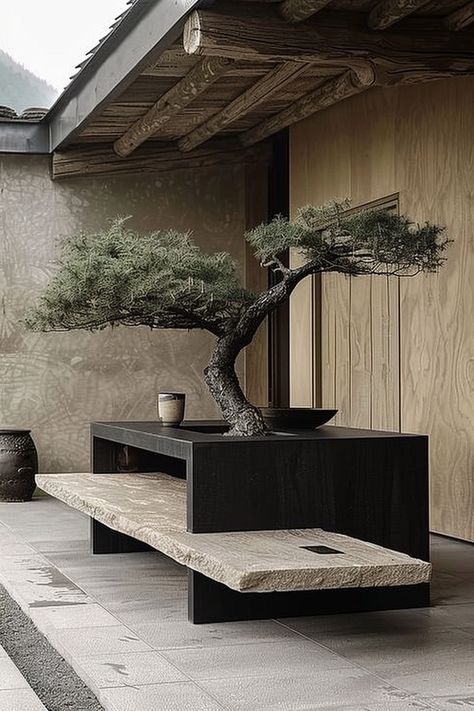
Characteristics of Wabi-Sabi
Have you ever read any Japanese legend? If not, you might like this one. Once upon a time, there lived a young man named Sen no Rikyu. He tried extremely hard to learn the complex custom known as the Way of Tea. And so one day, he decided to set out to see the tea master Takeeno Joo to ask him for help. However, the wise master asked him to look after his garden. Rikyu therefore tidied everything up, leveled it and presented his work to the master. Finally, Rikyu shook a cherry blossom tree, perhaps, and its flowers fell to the ground. To some extent, Wabi-Sabi can be characterised by this story, in beauty we find imperfection, impermanence and incompleteness. As an interesting side note, Rikyu became one of the greatest tea masters.
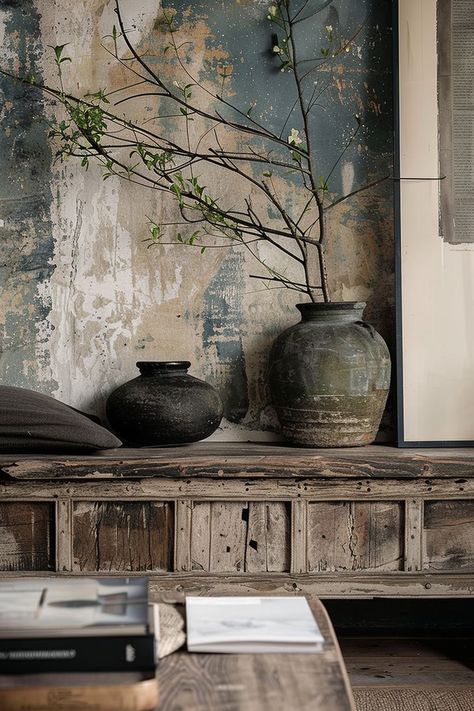
The most interesting thing about Wabi-Sabi is that it promotes calm, harmony and simplicity. It also values the natural process of ageing. This means you should never throw anything old away, as such items will be useful either for Wabi-Sabi or for Shabby Chic. Besides, a little natural ageing and impermanence certainly will not hurt anyone in an interior. Such pieces also carry a unique atmosphere that you are sure to appreciate.
Features of the style
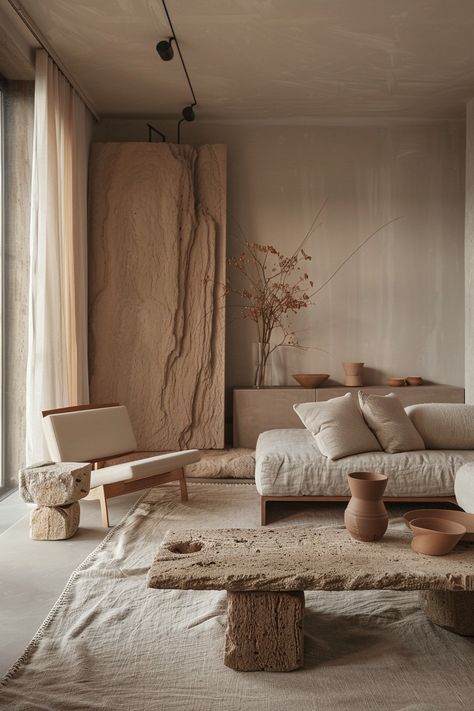
Nature should be your main source of inspiration when creating your interior . So do not shy away from a colour palette of natural tones, meaning shades of brown, beige, grey, green and white. You can also adapt it with your favourite colours, but what matters is that the whole space feels muted and calm.
When it comes to furniture, choose mainly pieces made from natural materials. Wood, stone, linen, wool and bamboo are excellent choices. Furnishing a flat in the wabi sabi style is also about having fun and buying furniture that breathes the past, so it is worth visiting flea markets and antique shops. Wabi sabi furniture can also be made from furniture board, but in that case it is a good idea to choose a natural wood pattern and colour. Furniture made from pallets or reclaimed wood also works well in a Wabi Sabi interior.
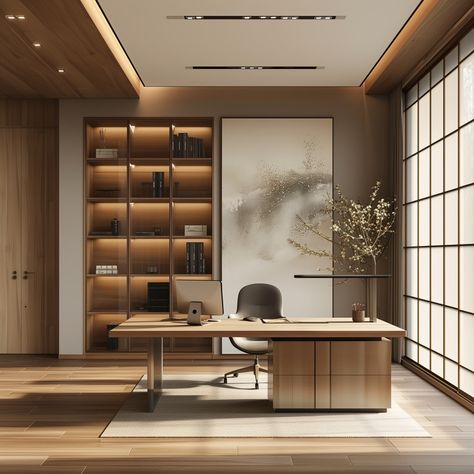
The perfect place to relax
We are talking about the bedroom, which should support good-quality rest. The bed naturally plays the main role. It is a good idea to choose a larger solid wood bed. A bed made from pallets, reclaimed wood or knotty planks also looks interesting. For bed linen , for example, remember that it should be light, white or beige. To complete the interior, use thick rugs or blankets in muted colours.
Only the essentials
In interiors furnished according to this Japanese aesthetic, restraint matters above all. There should be furniture, furnishings and decorations in exactly the quantity we need for comfort: a sofa and an armchair in the living room, a soft rug in the living room and a large wooden bed with natural bed linen in the bedroom. Any excess needlessly complicates a space that, in a world overwhelmed by excess, should offer rest after a day spent at work.
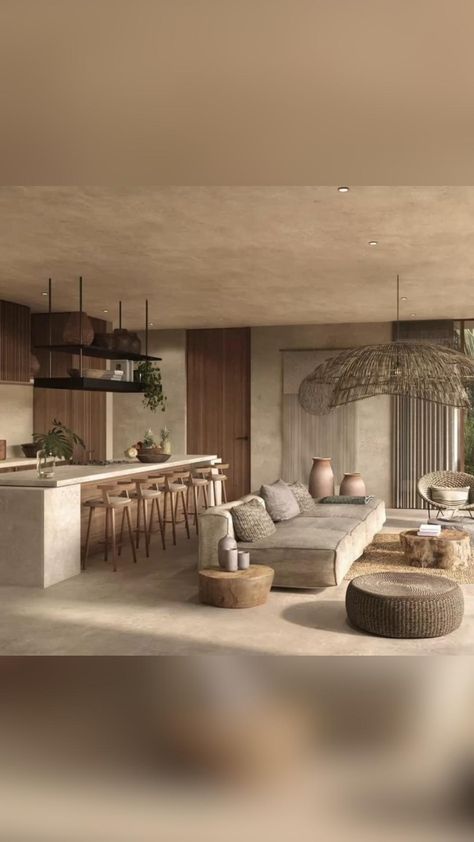
Handmade
Decorations that are purely handmade bear the marks of human hands and have an irregular texture, even those that do not match. Ceramic mugs, especially stoneware ones, are perfect, for example. Another expression of wabi-sabi is the Japanese art of kintsugi. It involves repairing broken ceramics with lacquer mixed with powdered gold or silver. It is a very interesting hobby that you may find useful too.
Plants
Plants are an important element in a Wabi Sabi interior. Choose plants with a natural look, such as bonsai, ornamental grasses and mosses. They bring life and organic beauty to the interior.
Reflecting on impermanence is also part of the Wabi Sabi philosophy, so it is worth using any kind of flowers to complete your arrangement.
The Wabi Sabi style is one of the most beautiful and calming ways to furnish interiors. It emphasises simplicity, naturalness and imperfection. It reminds us that there is beauty even in imperfection and impermanence. By removing everything unnecessary from your interiors and not worrying too much about making them look perfect, they will become an oasis of calm and well-being that helps us find beauty in fleeting things and in things that show the ravages of time.
Leave a Reply