
Do you know how, with what and when to paint a radiator?
One of the worst things waiting for you indoors during a renovation is the radiators. It is not about how they work but about how they look. Believe us, if you do not enjoy fiddly, painstaking work, take a sedative or do some yoga. The truth is that a fresh coat of paint will make them look like new, and you will be able to rub your hands together over a job well done. But the price really is high.
What do you need?
- cardboard or plastic sheeting
- masking tape to cover surfaces
- radiator paint
- a brush
- a wire brush
- sanding sponges
Choosing the paint
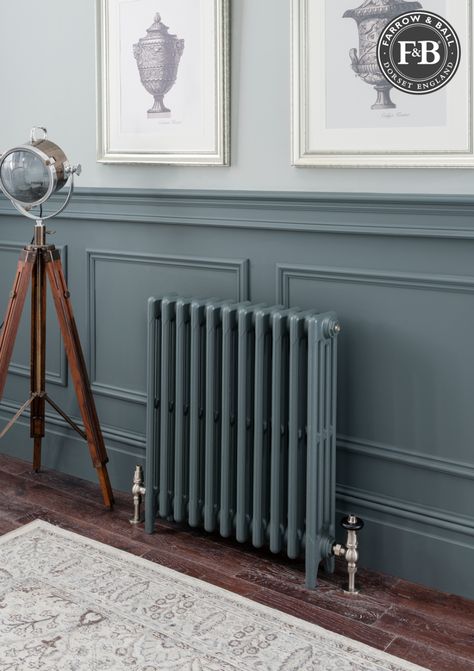
The days when radiators came only in white or ivory are gone. Today you can choose from a wide range of colours that will also match your interior. For example, if your flat is in a colonial style, do not be afraid to use warmer colours. Or your radiator can be painted mahogany brown, for instance, so that it blends in with the furniture, a contrasting yellow, a soft dusky pink, or even a stylish black.
What to do first
Thorough sanding is essential so that the new coat adheres well and does not peel. Remove flaking old paint and rusty spots with a wire brush with an ergonomic handle. It will make the job much easier. If you need to reach high places, get an extension pole. Then sand the surface with sandpaper of 80 to 120 grit, and for the final clean-up use a finer sandpaper of 180 to 240 grit.
Try to rid the radiator of old paint, dirt and any rust. The more thoroughly you do this step, the better the result will be.
Clean and degrease the radiator
After sanding, brush all the dust off the radiator and, above all, degrease it properly. By removing all dirt and grease completely, you will increase the adhesion of the next coat several times over and so prevent it from peeling. Try out different degreasers, after all, you can then use them to clean things like a barbecue, a fireplace, an engine or a bicycle chain.
Painting the radiator
First, cover everything around the radiator that you do not want to get paint on. You can use plastic sheeting, and pieces of cardboard behind the radiator. Tape over radiator parts such as the valve or the heat meter.
The exact method for painting a radiator depends on the paint you have chosen.
It is best to follow the instructions on the tin of the paint you have. Two to three coats are usually needed. Always let the paint dry thoroughly for several hours between coats. A flat radiator can easily be painted with a roller, too. However, you will need a brush for the finishing details.
Try spray paint too!
Spray paint is also very popular, but it cannot reach the back of the radiator. It also makes quite a mess. So although the job is quicker, you still have to help yourself with a brush. Spray paint also has to be runnier, so there is a greater chance it will drip. And then you will be left with nothing but regrets.
Once the radiator has dried, you can turn it on. Start at the lowest setting and then gradually raise the temperature. But even once all the work is done, we will not let you catch your breath. Your newly painted interior also needs a perfect sauna, where you can relax and, for example, read books on growing roses. There is so much work to do.
Leave a Reply