
How to get rid of woodworm in furniture
Most of us love animals, but there are some pets we definitely don’t want in our homes. At night, a marten that has moved into your loft will keep you entertained, a flea that wants to settle in will hop about on your skin, and you will find woodworm in your furniture. Well, there is no need to demolish or burn down your house straight away. It is enough to focus on a few options that will make your lot a little easier.
What does woodworm look like?
It is a tiny beetle with a plump little body, measuring up to 4 millimetres, so it is not exactly easy to spot. However, every beetle can be hard-working, and this one especially so. It will eat absolutely anything. It does not even turn its nose up at rotting wood where various fungi grow. It really has a big appetite.
There are several species. You may come across the common furniture beetle or the deathwatch beetle, as these are the most common. Either way, they will lay up to 50 eggs, 0.5 mm in diameter, in your furniture. After three weeks you may notice larvae, which bore into the wood and create tunnels.
After a while you will see wood dust and droppings trickling out of the holes. You can also detect it by ear, though. Some are so noisy as they work that their gnawing is impossible to miss. Woodworm spreads fairly quickly, and it may well attack other parts of your “wooden furnishings” too.
What to do if you have it at home?
Expect that you won’t get rid of it at the first attempt. Woodworm is a tough nut, but it can be cracked. Our advice is therefore as follows:
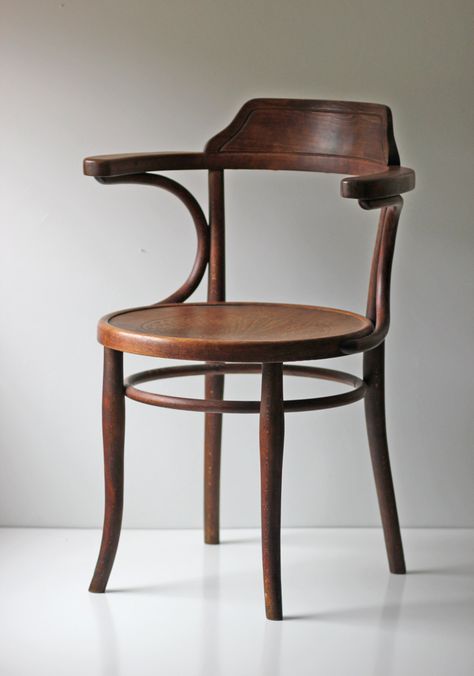
Remove the infested furniture: if you have noticed that your great-grandmother’s wardrobe or your Thonet-style bentwood rocking chair is full of little black holes, don’t wait and move the piece away from your other furniture. Check how extensive the damage is. If the piece can still be saved, there is no need to burn it.
Get rid of damp: woodworm is very often found in old churches, because such historic buildings are also full of moisture. And woodworm loves that. It thrives there. In the past, people recommended putting damaged furniture out in dry, severe frost. Unfortunately, in times of climate change, this no longer helps much. That is why good ventilation is important. Don’t be afraid of draughts either, as woodworm really can’t stand them.
Vinegar, vinegar and more vinegar: almost every household has some. You can clean almost anything with vinegar. Add washing-up liquid (Jar) to undiluted vinegar and sprinkle in some pepper. Stir and brush the mixture onto the infested areas. I haven’t tried it myself, but you could also try E 85 motor fuel. Apparently woodworm can’t stand that either.
Grandmother’s recipes: a solution of lye soap with naphthalene can work real wonders. If you have mustard seeds, pepper, wormwood leaves and vinegar at home, these should help too. They are old wives’ remedies, but there is no harm in trying.
Classic chemicals: and if home-made remedies fail, all that is left is to visit a DIY store and buy products such as Lignofix, Xylamon or Červostop. Once you inject the solutions directly into the holes, the fun is over.
Prevention is the most important thing
Even if you don’t have woodworm to get rid of, at least pay attention to prevention from time to time. When it comes to prevention and furniture renovation, don’t forget about garden furniture either. Manufacturers apply surface treatments to furniture, so check the coating and repair any small cracks. Do the same with roof structures. A loft conversion usually covers up the timber in the roof, so make sure it has practically permanent protection through pressure injection.
Source: plantura-garden.uk
Leave a Reply