
Tips for cutting and pruning fruit trees
Regular pruning is important for the healthy growth of fruit trees. It will give you a richer harvest, and it also opens up the crown to more light, which limits the growth of various mosses and fungi. Without proper pruning, your tree will struggle to bear fruit. In addition, an overloaded tree risks having a branch snap in strong wind, leaving you to clear up the damage.
What equipment should you buy?
Suitable, good-quality equipment matters most, especially when pruning trees. Is your birthday coming up? Some of the best gifts for gardeners are handy tools that help you look after your garden. So what should you get?
- Pruning saws: useful for cutting branches that are too thick for loppers. There is a wide range of saws, including bow saws and handsaws. It simply depends on the size of the branch.
- Larger saws: best for thick branches or for removing a damaged tree. A chainsaw will never go to waste in your garden shed. It can also come in handy when you are tending conifers in the garden.
- Precision snips: want to trim thin twigs? Then precision snips will be useful. If you have a Japanese garden, they will be invaluable, especially for Japanese willows.
- Branch shredder: a very useful tool for recycling pruned branches. And what about the fine chippings? They make an ideal mulch for your flower beds.
- Ladder: every country cottage needs at least one ladder. It will be especially useful for picking fruit from trees, but also for pruning them.
What types of pruning are there?
It may be hard to believe, but pruning fruit trees has its own rules. In general, there are 3 types of pruning.
- Formative pruning: carried out in the first four to five years. It ensures that your trees have a nicely shaped crown.
- Maintenance pruning: done to keep a balance between the tree’s growth and an optimal harvest.
- Rejuvenation pruning: used mainly on older trees. It extends their life.
When should you prune?
It depends on the variety and species of your fruit tree, but pruning is generally recommended twice a year: in winter or early spring, and then in summer after the harvest.
- Winter pruning: carried out during the dormant season. Even in winter, a good gardener is never bored. You can also use this time to shape the crowns of young trees or to rejuvenate older ones so they do not have to be cut down.
- Summer pruning: done after the harvest, and it also lets you remove unwanted shoots. As the saying goes, you kill two birds with one stone. The result will be a richer harvest.
Caution! Pome fruit trees, such as apples or pears, and some stone fruit trees (cherries) are usually given both winter and spring pruning.
Pruning trees
First, remove crossing and surplus branches. Shorten long branches that you want to encourage to bear fruit. Always try to keep a sensible balance between the tree’s growth, its main branches and its fruiting wood. On trees with upright growth, shape the main branches so that they fill the whole volume of the crown. On trees that grow wide, on the other hand, train the branches horizontally.
Take care with thick branches. Cut them in three stages so that they do not split lengthways under their own weight. Make a cut halfway through from underneath, about 10 cm from the point where you want to remove the branch. Then continue from above. This leaves a broken-off stub, which you can then cut off cleanly. Remember that the cut must be smooth and clean. Treat larger wounds with tree wound sealant or grafting wax to protect the wood from infection.
Every tree is valuable to its community and deserves to be preserved for as long as possible. Peter Wohlleben
Beautiful words from the well-known ecologist and naturalist Peter Wohlleben. His books are well worth reading, and you should also explore books by other garden designers, as they will certainly help you improve.
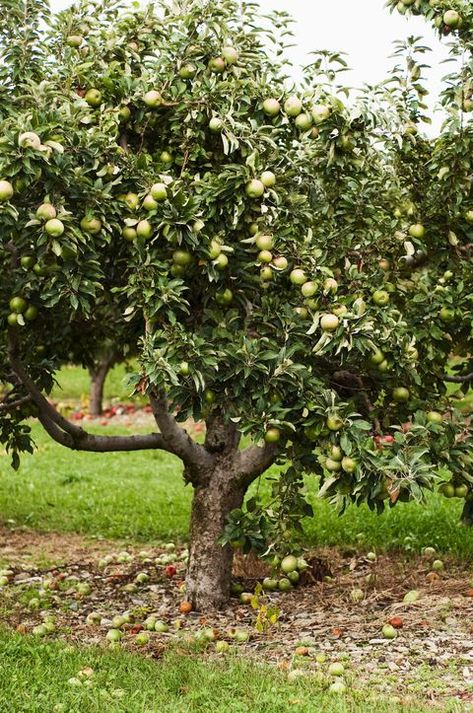
Trees are very important for our lifestyle. Besides letting you practise yoga beneath their crowns, they also calm you and relieve stress. So why not take proper care of them?
Leave a Reply