
Canadian blueberries and how to grow, prune and feed them
Canadian blueberries versus Czech bilberries: what is the difference? Picking blue berries is a very popular pastime for many Czechs, whether in the woods or in the garden. The bilberry that grows in the Czech Republic is really demanding in terms of growing requirements. Its favourite places are forests or mountains with even moisture. On the other hand, the harvest is much smaller than with Canadian blueberries, because the plant is considerably smaller. The Canadian variety is larger and you can grow it in your garden, whether small or large. So what are you waiting for?
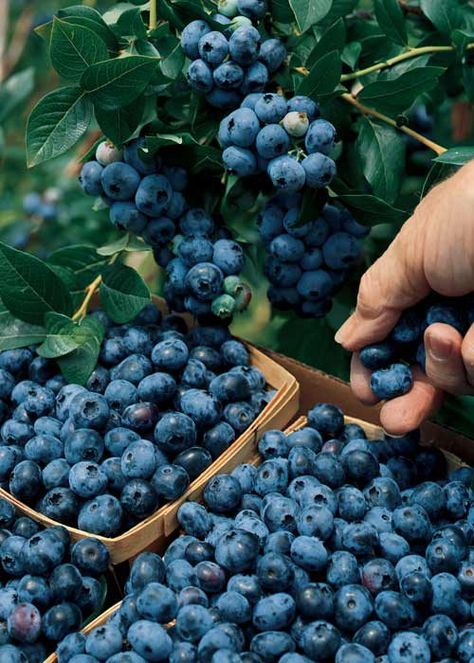
Where is the best place for Canadian blueberries?
This North American variety likes light partial shade. But do not overdo it, as the harvest tends to be smaller in an unevenly shaded spot. And then you will have no choice but to go to the woods for them. Do not forget to water them generously and regularly. Watering before the harvest has a great effect on both the quality of the fruit and growth, but in very high temperatures the sun can scorch the leaves and fruit. It is therefore a good idea to shade the plants in these critical situations (although even a scorched Canadian blueberry usually sprouts again the following year).
The critical period when you should not skimp on water for Canadian blueberries is August.
Canadian blueberry varieties
- Early: Blueray, Bluetta, Duke, Earliblue, Goldtraube 23
- Mid-season: Bluecrop (the most widely grown), Bluegold, Bluejay, Dixi, Elizabeth
- Late: Barkeley, Brigitta, Darow Elliot, Herbert, Chander
How to fertilise
They prefer chlorine-free fertilisers, applied very early in spring, as soon as the buds are forming. Definitely do not apply nitrogen from July onwards. Also remember to hoe around Canadian blueberries only very carefully, as they have fine, shallow roots. Mulching with shredded pine bark is a good idea.

Canadian blueberries and pruning
Pruning blackberries and blueberries is very similar. Three years after planting, cut some of the old shoots right back to just above the ground. This rejuvenates the plant. Six to eight strong shoots should be enough. The harder we prune the plants, the larger the berries will be, but there will be fewer of them. Old, unpruned bushes produce only small fruit, which often dries up before ripening, so an even harvest is achieved by pruning every year. The branches sag under the weight of the crop and may even break, so tie them to supports in good time.
In the Czech Republic, Canadian blueberries have practically no diseases or pests. The only problem is when hares or deer get to the plants. They will do the pruning for you, but usually in a completely devastating way.
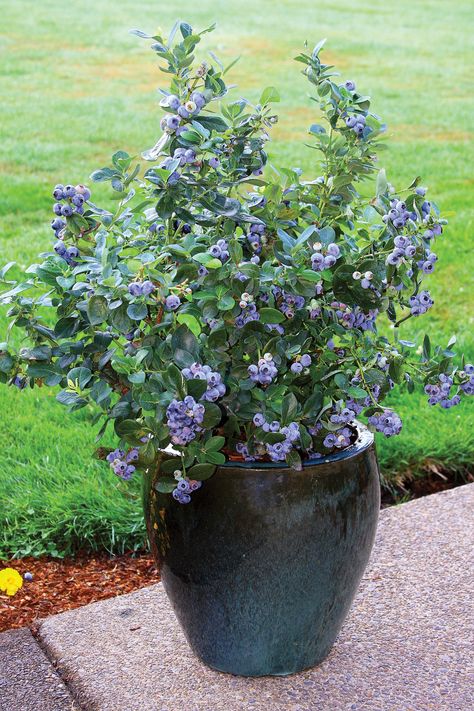
When to harvest
From a fully grown, established bush you can harvest around two or more kilograms of blueberries. However, the fruit does not all ripen at once, so the harvest lasts about a month. Pick the blue berries about once a week. Do not rush, the blueberries must be blue, not reddish. Also remember that a crop of Canadian blueberries is tempting for birds. The only solution is a good net. Place it on a frame, however, so that the birds cannot reach the fruit through the mesh, and seal it at ground level so they cannot get underneath. At the same time, the frame must be able to fold open.
Canadian blueberries taste indistinguishable from real wild bilberries, only their flesh does not stain. In the kitchen, you can use them in exactly the same way as wild bilberries. Try recipes for low-carb desserts.
Leave a Reply