
Inspiration for the most beautiful wooden fences
Wooden fences in the garden do more than mark the boundary of your plot. Aesthetically, they should also suit your house and the surroundings it is built in. A poorly chosen fence will then make a bad impression on the whole building. If you decide that wood is the right material, focus on the design and style of fence you would like most.
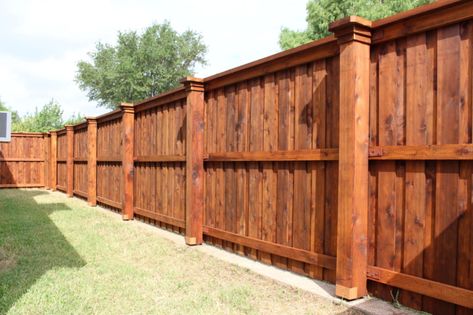
Why a wooden fence?
To sum up what we know about wooden fences, wood is a material that never goes out of fashion. It remains one of the most popular and most widely used materials for building fences. When deciding on the type of wood for your fence, think further ahead and do not be afraid to invest more. This way you will avoid the unnecessary cost of replacing the fence every 5 years.
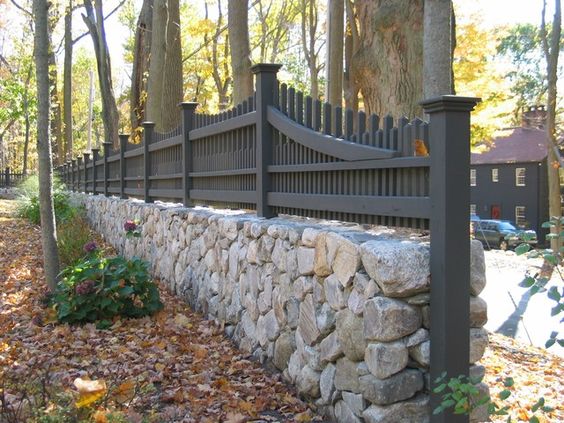
Wooden fence design
Wooden fences can be made from processed wood:
- poles
- round logs
- branches
Or from unprocessed wood:
- laths
- small beams
- boards
- planks
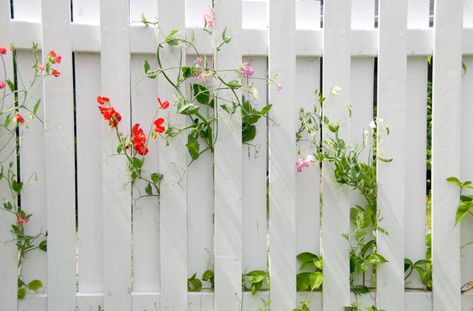
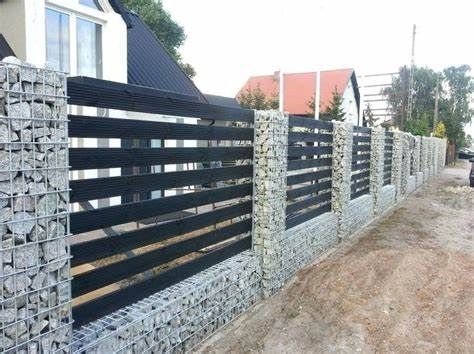
Ideally, you can combine such fences with concrete, brick or stone. Wooden fences combined with gabions also look modern.
You can even build gabions in a flood zone. They are one of the few materials that the river basin authority will allow.
What are the advantages and disadvantages?
As with other materials, wood has its pros and cons.
Advantages of a wooden fence
Wooden fences are very versatile. You can choose from many different sizes and shapes, for example a natural, eco-friendly material that is attractive and looks natural. One advantage of wood as a material is that it is easy to work with. If you are a handy DIYer, you can even build a wooden fence yourself. In addition, as we have already mentioned, wood combines very well with various materials.
Tip: Build a stone base wall with pillars and fit wooden planks between them.
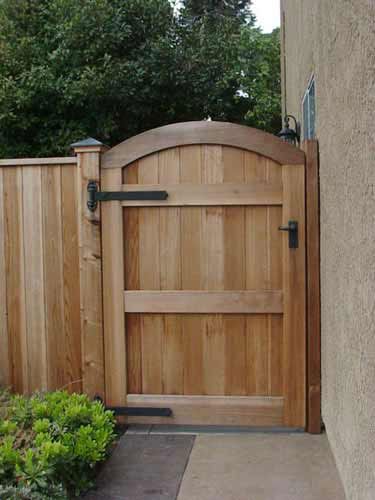
Disadvantages
Maintenance is necessary. Whether you choose a softwood or a hardwood fence, you cannot avoid looking after it. Logically, the better quality and harder the wood, the less care it needs. On the other hand, you will pay more when you buy it. Lifespan goes hand in hand with maintenance. Compared with other materials, wood definitely has a shorter one. Financially, it depends on what type of wood you choose. If you go for quality, you must expect higher purchase costs.
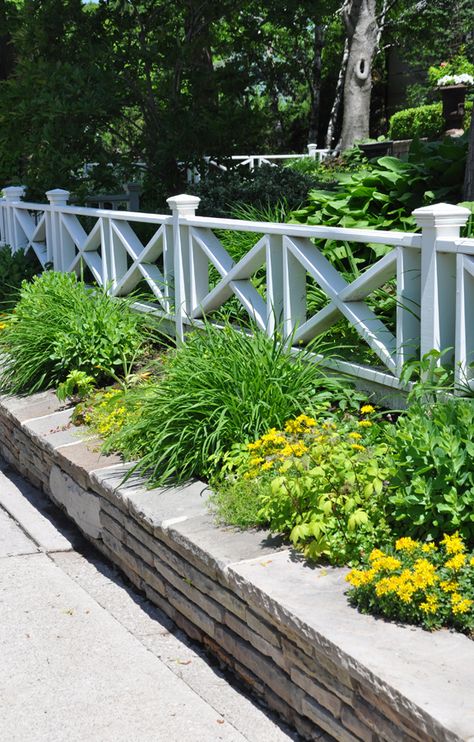
Types of wood
When choosing a suitable type of wood for building a fence, consider several aspects. One of the basic factors is, of course, price. If you are looking for a cheaper option, go for spruce or pine. These are affordable options with a wide range of profiles to choose from. Unfortunately, the lower purchase costs are offset by a shorter lifespan, as these are softwoods. You can of course extend the lifespan by using suitable treatment and good-quality paint or oil. Larch is also very popular, as it turns a beautiful, natural grey over time.
If lifespan and appearance matter more to you, focus on hardwood. In terms of lifespan, softwood lasts approximately 5 to 10 years, hardwood 15 to 25 years. Among our native trees, the ideal hardwood for fences or fencing is oak, or alternatively beech or black locust. However, if you want really high-quality woods that last a long time, do not need demanding maintenance and look beautiful, exotic woods are a good choice. There are countless species to choose from:
- teak
- cumaru
- iroko
- padauk
- Brazilian walnut
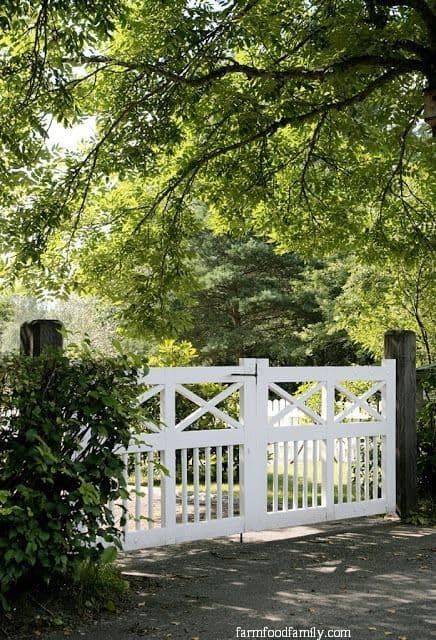
Extending the lifespan of a wooden fence
Paint, paint and paint again. To protect the wood from moisture, rot and pests, you cannot avoid impregnation. Another detail that affects the lifespan of a fence is the shape of the fence boards. The top should never be flat, because water sits on a flat board and damages the structure of the wood. Last but not least, you can also extend the lifespan of a wooden fence with a base wall. It is important that the wooden boards do not touch the ground, as they are then more prone to rotting.
When you have finished reading our article, take a look at, for example, tips for creating a front garden, how to make a natural fence, or exercises for a slim waist.
Leave a Reply