
Growing magnolias and what to watch out for
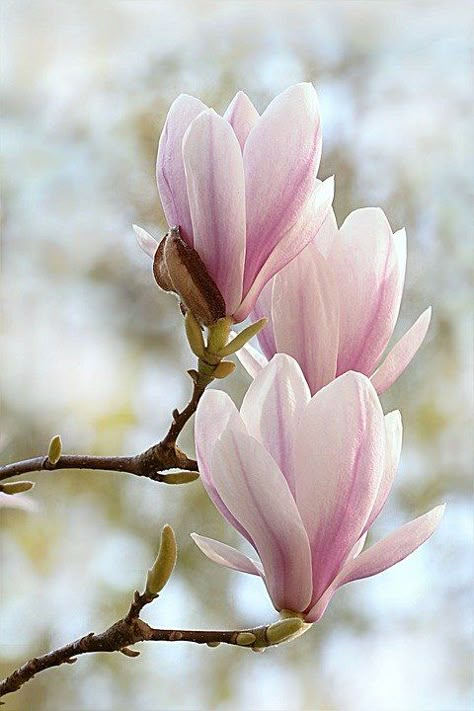
It is also known as Šácholan and there are 210 species in total. The flowers of this shrub brighten up almost any garden. It is undemanding, yet it has a few pitfalls, which we will reveal. One advantage is that it has some very interesting effects on the human body, which we will also talk about. Do you know where this beautiful plant comes from? Having a magnolia in the garden is always on trend.
Heading to Asia
In Asian medicine, the bark of the trees is used to make medicines with calming effects. This is because the plant works against stress, fear and anxiety. The bark and leaves contain other substances with antioxidant and antimicrobial effects. What is more, a recent discovery shows that they cause the destruction of tumour cells.
Do you have a Japanese-style garden? Then it definitely should not be missing a magnolia.
Choosing a magnolia
But back to growing magnolias. First, think about which species you like. If you have a smaller garden, a dwarf magnolia that grows up to 70 cm will suit you. Its advantage is that it flowers profusely and also attracts bees. For the first 5 years, it is important to protect it from frost. When planting, we recommend using a compost for ornamental trees, shrubs and conifers, and mulching generously with bark after planting.
Do you like standard magnolias? That is no problem either. There is a variety called “Susan” that will bring you as much joy as its sisters. Its flowers are deep pink to red with a lighter centre. It needs more sun, but it will not turn down partial shade. It likes acidic, slightly moist soil.
When does a magnolia flower?
Magnolias flower from March to May depending on the species, and some as late as June. Have you had yours for several years but it does not flower? There can be several reasons. The cause may be a poor location, for example. A magnolia needs acidic soil, a sheltered spot, sun to partial shade, no underplanting or hoeing around it, and no pruning.
The second possibility is that you have a seedling, which only flowers once it reaches a certain age. That can be 5 to 8 years.
Magnolias are an excellent long-term investment, but they grow very slowly. The average annual growth is given as 15 cm, at most 30 cm, but it always depends on the particular species and cultivar of magnolia.
Magnolias in pots
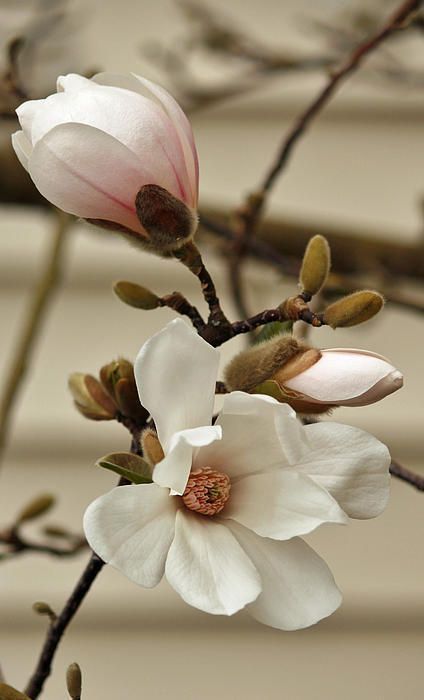
Growing a magnolia in a pot is a great choice if you do not have enough space to plant a magnolia in the ground, or if you live in an area with soil conditions unsuitable for these trees. Magnolias in pots let you have this beautiful tree on your terrace, balcony or in another limited space.
Choose a good-quality, free-draining garden soil for the pot that is suitable for magnolias. It should have a slightly acidic to neutral pH. Potting soil can be a mix of garden soil, peat and perlite or sand to ensure good drainage.
Place the pot with the magnolia in a sunny to partially shaded spot. Magnolias prefer plenty of sunlight, but direct midday sun on hot summer days can be too intense, so it is a good idea to provide some light shade as well.
What to do when a magnolia has finished flowering?
After flowering, magnolias remain an eye-catching feature in the garden, even once the flowers have fallen. For example, the leaves start to bud. New branches and leaves gradually develop, giving the tree vitality and fullness. Young trees may need more attention and care after flowering so that they become well established and grow stronger.
Before winter arrives, prepare your magnolia for its dormant period. Make sure it is well watered and ready for any frosts. Some magnolia species are cold-hardy, while others may need protection.
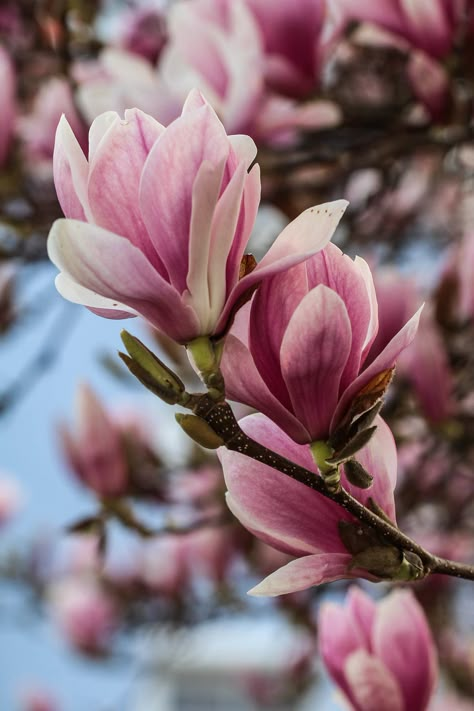
Magnolias are beautiful, decorative trees all year round, even after flowering. Their leaves, fruit clusters and growth habit add aesthetic value to the garden and bring a sense of spring freshness in other seasons too.
Leave a Reply